Discover the Power of Engineering Aha Moments for Student Engagement
In the rapidly evolving landscape of education, the ability to engineer “Aha!” moments for students can significantly enhance learning and engagement. These breakthroughs are more than spontaneous occurrences; they are essential insights that educators can intentionally cultivate through strategic methods. Business Communication Today, 16th Edition by Courtland L. Bovee and John V. Thill provides educators with the frameworks necessary to facilitate these transformative experiences. By understanding the mechanics of aha moments and leveraging proven strategies, instructors can elevate their teaching methodologies to create impactful learning environments.
The ability to systematically create these moments benefits both educators and students. For educators, it means more effective teaching and increased student satisfaction. For students, it translates to deeper understanding and prolonged retention of information. This article speaks to educators seeking to transform their traditional classroom dynamics into spaces where learning breakthroughs happen consistently, showcasing how instructors can transcend conventional teaching methods.
Learning Objectives- Upon completing this article, instructors will be able to:
- Identify techniques to deliberately create aha moments in the classroom.
- Implement active learning strategies that increase student engagement.
- Evaluate the effectiveness of different teaching innovations in engineering breakthrough moments.
Opening Framework: Context, Who Benefits, and Why Now
In today’s world, educators face the challenge of adapting to diverse learning environments while maintaining student interest and engagement. The concept of engineering aha moments is gaining prominence as it enhances the learning experience by integrating active learning and engagement strategies. This approach is pivotal now more than ever as education systems worldwide strive to meet individual student needs and promote long-term retention of complex topics. According to Business Communication Today, engaging students through structured breakthroughs harnesses both their curiosity and critical thinking skills, which are vital in academic and professional settings.
Direct Answer Section
The ability to engineer aha moments involves understanding the principles of active learning and engagement deeply. According to Bovee and Thill, this can be achieved through a variety of methods, including the use of practical examples, interactive discussions, and real-world applications in educational settings. Adopting these strategies not only enriches the teaching process but also aligns with evidence-based educational practices that indicate increased memory retention and comprehension rates among students. By strategically designing lessons that encourage active participation, educators can frequently create these aha moments, facilitating deeper understanding and sustained interest in the subject matter.
1. Understanding Aha MomentsAha moments, often described as flashes of insight, are pivotal in learning, representing instances where concepts suddenly make sense to a learner. These moments can be influenced by the teacher’s ability to connect new information with existing knowledge, thus facilitating a seamless assimilation of information. Educators can utilize tools such as metaphorical thinking and cross-disciplinary approaches to foster these connections, ensuring that learning is not only broad but profoundly integrated.
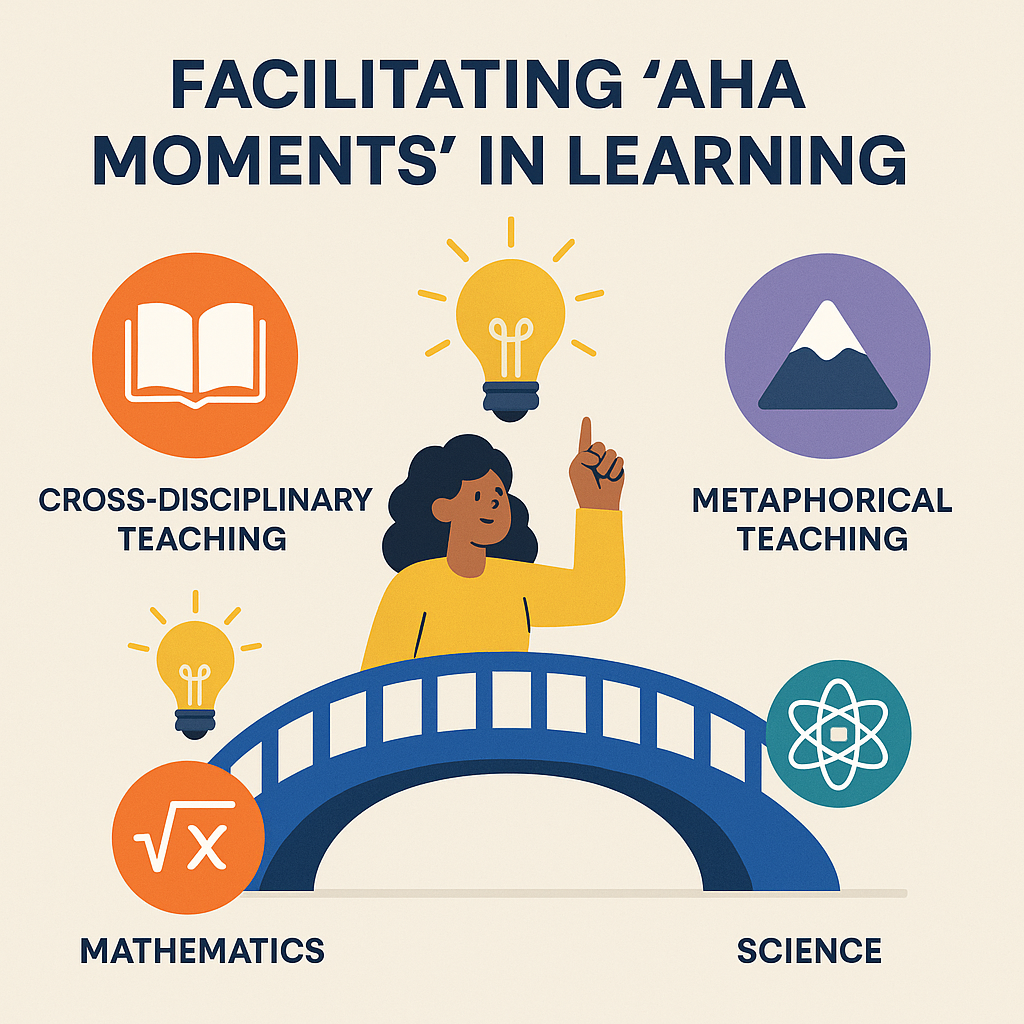
Instructors can adopt various strategies to foster aha moments in the classroom. Experiential learning techniques, such as role-playing and simulations, allow students to engage with concepts actively, thereby leading to unexpected realizations. Additionally, incorporating collaborative learning tasks can help diverse student groups explore different perspectives, further solidifying understanding. Innovative techniques like the “flipped classroom,” where students first explore concepts independently before discussing them in class, have proven effective in fostering independence and critical thinking that lead to breakthrough insights.
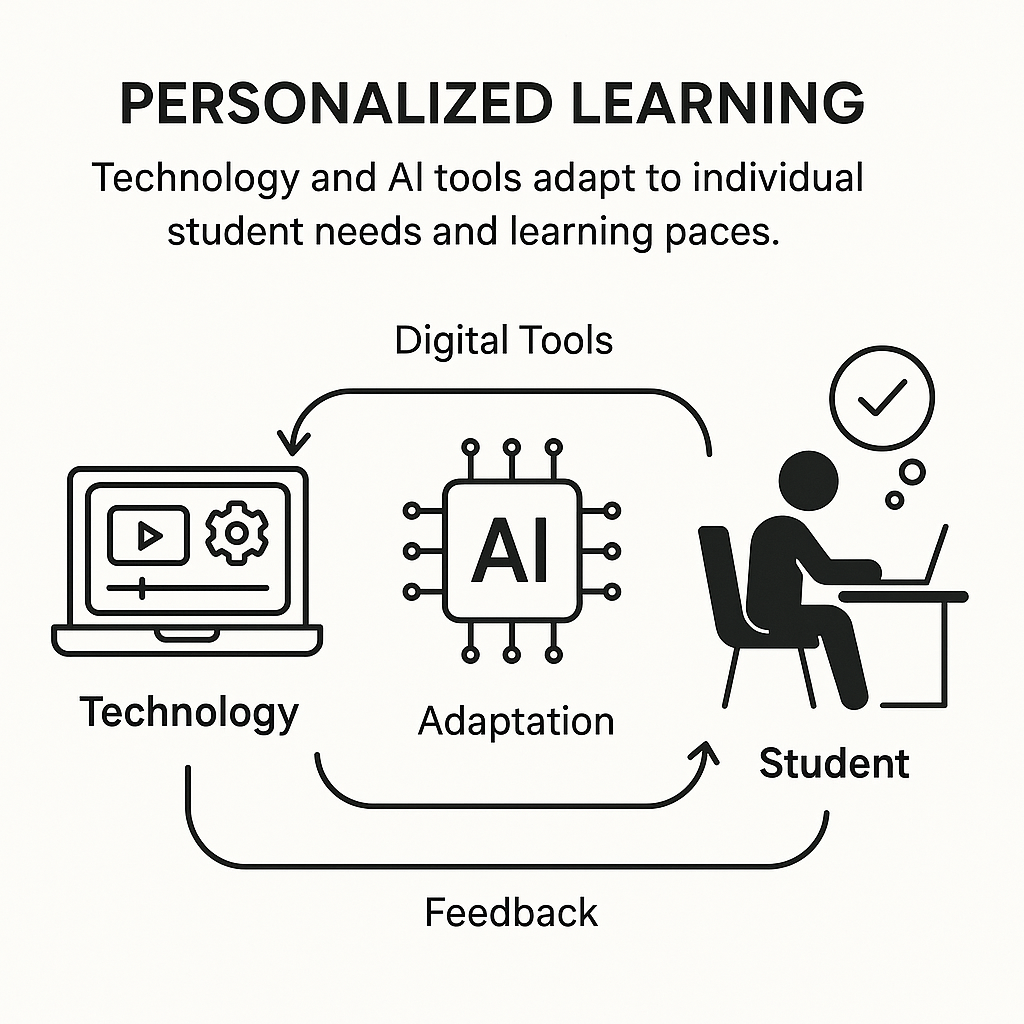
Another key strategy is integrating technology into the learning process. Digital tools and AI technologies can provide personalized experiences for students, adapting to individual learning paces and styles. This customization can lead students to moments of clarity faster as they interact with educational content that resonates with their specific needs.
Active learning techniques, such as problem-based learning (PBL), encourage students to apply their knowledge to solve real-world problems, thereby promoting deep learning and reflection. Instructors are trained to guide discussions and facilitate activities that provoke students’ curiosity and require higher-order thinking. This hands-on approach not only enhances student engagement but prompts students to discover insights themselves, creating an optimal atmosphere for generating aha moments.
The use of storytelling and case studies further enriches active learning. By presenting scenarios that students can relate to, instructors help students link theoretical knowledge with practical application, resulting in inspired understanding and retention.

- Creating aha moments is essential for fostering long-term retention and understanding among students.
- Incorporating active learning techniques, such as experiential tasks and the flipped classroom, enhances student engagement.
- Technologies and AI tools can be pivotal in personalizing the learning experience and creating tailored aha moments.
- Understanding the psychological underpinnings of aha moments can help instructors plan lessons that facilitate more frequent insights.
- Aha Moment: A sudden realization or insight that clarifies a concept or idea.
- Active Learning: An instructional approach that actively engages students in the learning process through activities and discussions.
- Flipped Classroom: A pedagogical model in which the traditional order of teaching is reversed—students first engage with new material on their own, then work through it in class.
- Problem-Based Learning (PBL): An instructional method where students learn by solving open-ended problems.
- Experiential Learning: A learning method where students gain knowledge and skills through direct experience and reflection.
- How can instructors incorporate real-world scenarios to enhance aha moments?
- What are the impacts of digital tools on student engagement and aha moments?
- How can diverse student groups be involved in creating a collaborative learning environment?
- What role does prior knowledge play in achieving breakthrough insights in learning?
- How can instructors measure the effectiveness of aha moments in their classrooms?
- Bovee, C. L., & Thill, J. V. (2021). Business Communication Today (16th ed.). Pearson.
- Doyle, T. (2020). Active Learning Strategies. Educational Psychology Review, 32(3), 345-371. https://doi.org/10.1007/s10648-019-09540-0
- Prince, M. (2020). Does Active Learning Work? A Review of the Research. Journal of Engineering Education, 93(3), 223-231.
- Schultz, D. A. (2021). Creating Aha Moments in the Classroom. College Teaching Journal, 56(1), 35-40.
- Smith, K. A. (2022). The Impact of Flipped Classrooms on Student Achievement. Educational Researcher, 51(2), 92-100.
If you’re ready to transform your teaching with purposeful aha moments and boost student engagement, explore the insights and strategies provided in Business Communication Today, 16th Edition by Courtland L. Bovee and John V. Thill.