This article explains three families of classroom strategies that raise engagement in business communication courses — active learning, gamification, and collaborative learning — with techniques such as think-pair-share, points and badges, and diverse team projects that you can adapt for your own class.
Ignite Passion and Drive Success with Dynamic Classroom Strategies
In the dynamic world of education, instructors constantly seek innovative methods to engage students and foster a passion for learning. In Business Communication Today, 16th Edition, by Courtland L. Bovée and John V. Thill, educators are provided with comprehensive strategies to invigorate their teaching methods and drive success in their classrooms. This is crucial for educators who aim to maximize student engagement and participation through innovative teaching techniques. The pressing question among educators today is how to effectively implement these strategies to achieve optimal learning outcomes.
Learning Objectives
Upon completing this article, instructors will be able to:
- Identify various strategies to enhance student engagement.
- Implement dynamic teaching methods to foster active learning.
- Evaluate the effectiveness of different engagement strategies.
- Integrate technology to support innovative teaching practices.
Opening Framework: Context, Who Benefits, and Why Now
In the ever-evolving educational landscape, adopting dynamic strategies is essential for engaging a diverse group of students and enhancing their learning experience. These strategies are not only beneficial for students but also empower instructors to create a more interactive and impactful learning environment. With a clear framework, educators can navigate the complexities of student engagement in contemporary classrooms, where enhancing interaction and motivation is vital.
Direct Answer
Incorporating dynamic teaching strategies such as active learning, gamification, and collaborative projects can significantly increase student engagement and success. These approaches emphasize the importance of adapting teaching methods to align with students’ diverse learning styles, thereby enhancing participation and comprehension.
1. Active Learning Approaches
Active learning encourages students to participate actively in their learning process rather than passively receiving information. Techniques such as think-pair-share, problem-based learning, and interactive questioning can facilitate this. Research shows that active learning improves student performance compared to traditional lecturing (Freeman et al., 2014).

Integration of real-world scenarios, as well as problem-solving tasks, helps students apply theoretical knowledge practically. Instructors are encouraged to design activities that require critical thinking and collaboration, fostering a more engaging and stimulating classroom environment.
2. Applying Gamification in Education
Gamification involves using game design elements in non-game contexts to boost motivation and engagement. Incorporating elements like leaderboards, badges, and points systems in the classroom can make learning more appealing and competitive, driving students to participate willingly and enjoyably.
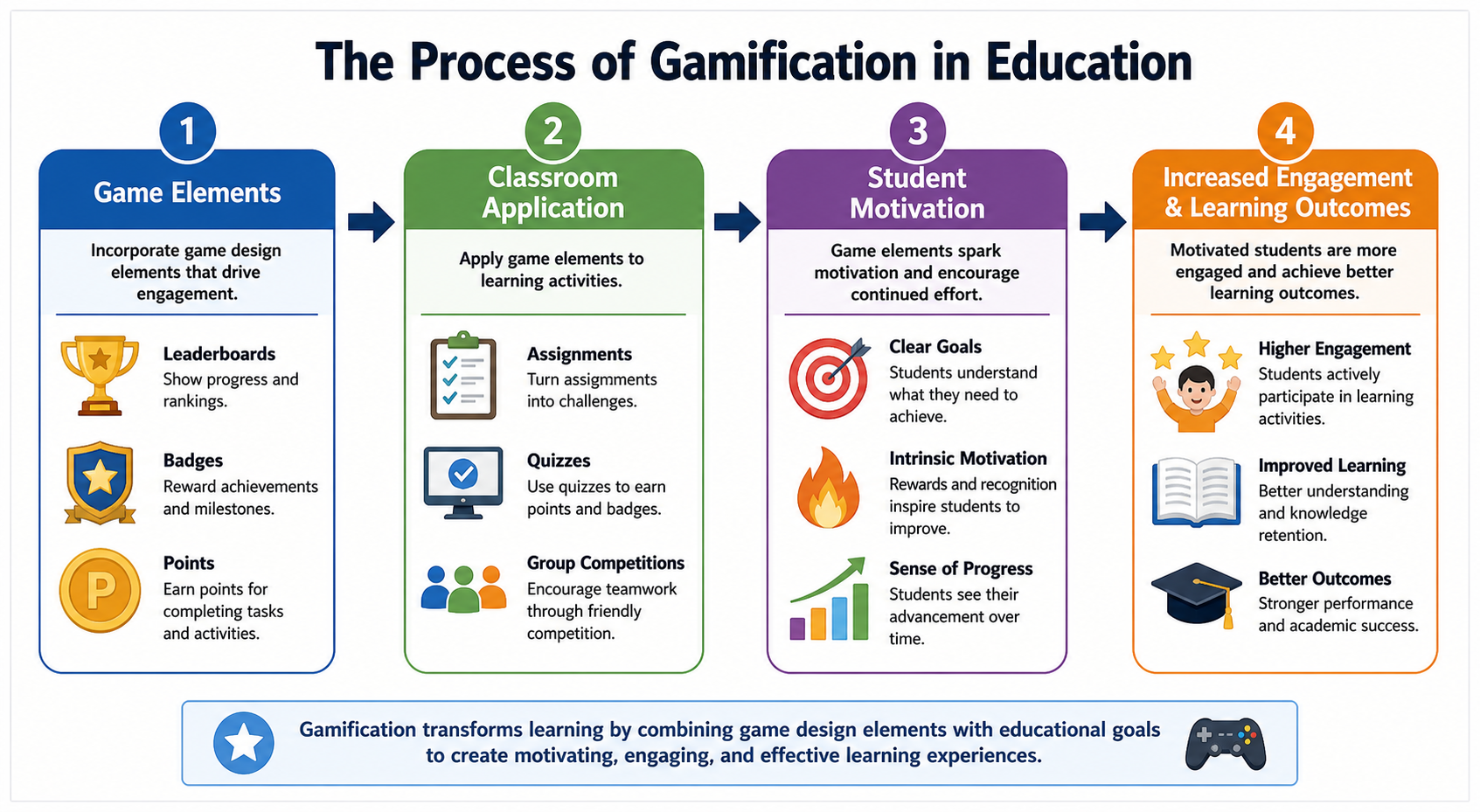
Used thoughtfully, gamification can raise engagement and motivation, especially when game elements reward progress on real communication tasks.
3. Collaborative Learning Opportunities
Encouraging collaboration among a diverse group of students allows for the exchange of ideas and peer learning. Creating team-based projects and group discussions can enhance communication skills and encourage diverse perspectives, benefiting students academically and socially.
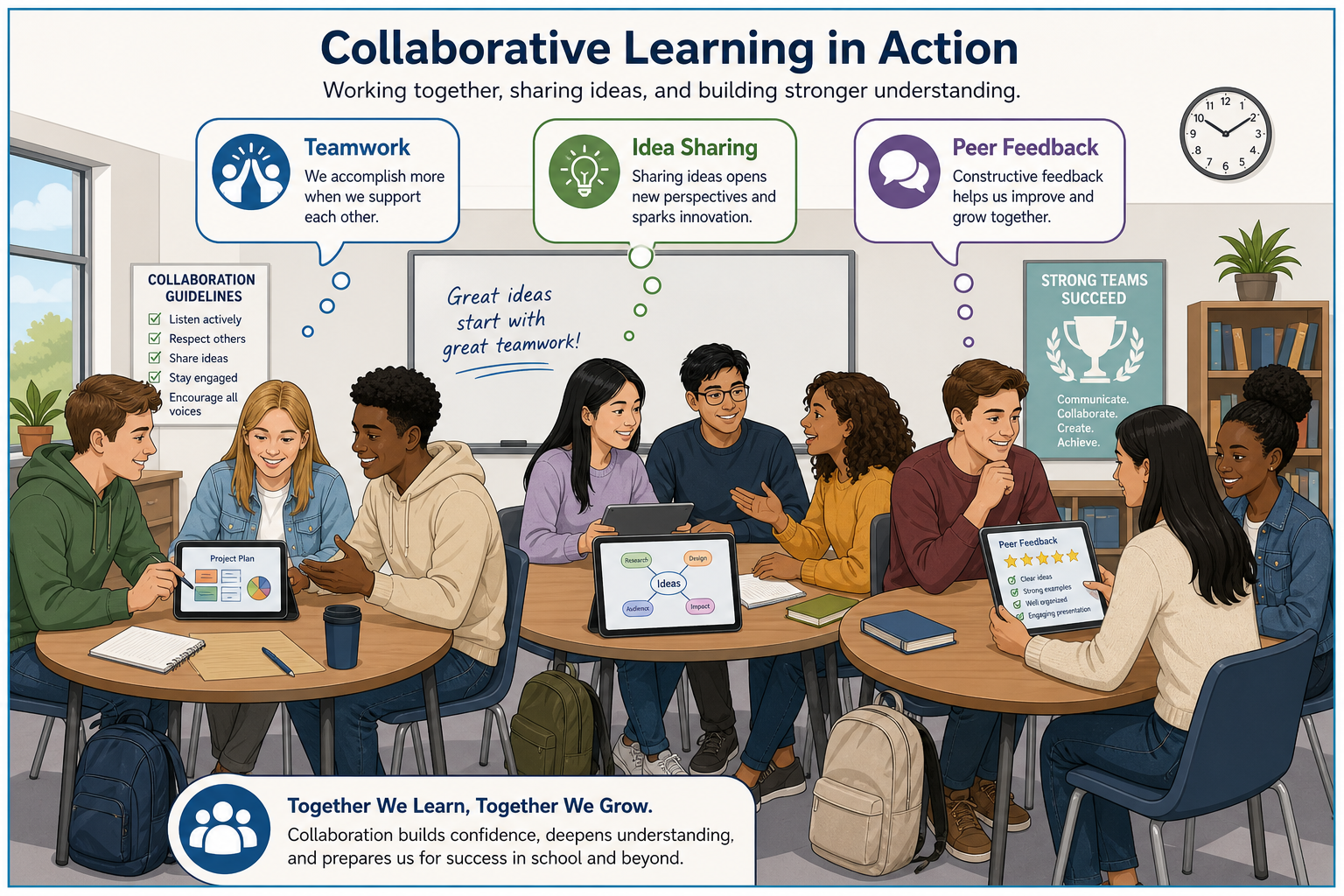
Instructors should aim to create diverse student teams, employing strategies such as cooperative learning and peer teaching. These methods not only aid in the absorption of material but also build essential teamwork and interpersonal skills.
Related reading: For all 40 strategies, numbered individually — from needs assessment and microlearning to humor, storytelling, and a growth mindset — see Igniting Passion, Driving Success: 40 Dynamic Classroom Strategies for Business Communication Instructors on the Bovée & Thill blog.
Key Takeaways
- Implementing active learning can boost student performance.
- Gamification can increase student engagement and motivation.
- Collaborative strategies enhance communication and teamwork skills.
- Diversified teaching approaches cater to varied learning preferences of students.
Glossary of Key Terms
- Active Learning: A teaching method involving student participation and engagement.
- Gamification: The application of game design elements in educational settings.
- Collaborative Learning: An educational approach involving joint intellectual efforts by students.
- Engagement Strategies: Methods used to capture and maintain students’ interest.
- Diversified Learning: Teaching approaches that cater to different learning styles.
Related Questions
How can instructors measure the success of these dynamic strategies?
Evaluate each strategy by its effect on engagement and learning outcomes, and keep the ones that work for your students. The article recommends comparing strategies rather than adopting all 40 at once.
How does collaborative learning affect student performance?
Collaborative projects are one of the three families of strategies the article says significantly increase student engagement and success, alongside active learning and gamification.
What are effective ways to engage a diverse group of students?
Use a mix of dynamic strategies, including active learning, gamification and collaborative learning, so students with different preferences all find a way in. The article treats variety as essential for diverse classes.
References
- Which of These 10 ‘Crazy’ Teaching Ideas Actually Works Better Than Traditional Methods?
- How Do You Turn a Business Communication Classroom Into a Place Students Actually Want to Be?
- How Can Educators Revolutionize Business Communication Instruction?
© 2026 Business Communication Teaching and Learning Center. All rights reserved.