Comprehensive AI Content in Textbooks gives instructors a practical way to connect classroom teaching, AI tools, and business communication outcomes students can use in professional settings.
Comprehensive AI Content in Textbooks: Key Teaching Strategies
With the rise of AI in education, textbook choices have a profound impact on how well students understand this transformative technology. Unlike textbooks that merely touch on AI with a single chapter, comprehensive resources offer an integrated learning experience. This is crucial for instructors seeking to equip students with up-to-date skills and knowledge.
Table of Contents
- Introduction
- Benefits of Comprehensive AI Content
- The Bovee and Thill Approach
- Implementation in Classrooms
- Key Takeaways
- Glossary of Key Terms
- Related Questions
- References
Introductory Summary
The integration of AI within educational resources is more pivotal now than ever. Business Communication Today, 16th Edition by Courtland L. Bovee and John V. Thill, offers a holistic approach to AI content unlike others that provide just a single chapter. This depth is indispensable for instructors wishing to prepare students adeptly for the AI-driven market.
In the current educational landscape, understanding AI’s multifaceted roles is crucial, raising common inquiries among educators about the comprehensive reach of AI education in curricula. This article examines the distinct differences and advantages of an integrated approach to AI content.
Learning ObjectivesUpon completing this article, instructors will be able to:
- Identify the benefits of integrated AI content in textbooks compared to single-chapter models.
- Implement effective AI teaching strategies using comprehensive resources.
- Evaluate the impact of detailed AI instruction on student learning outcomes.
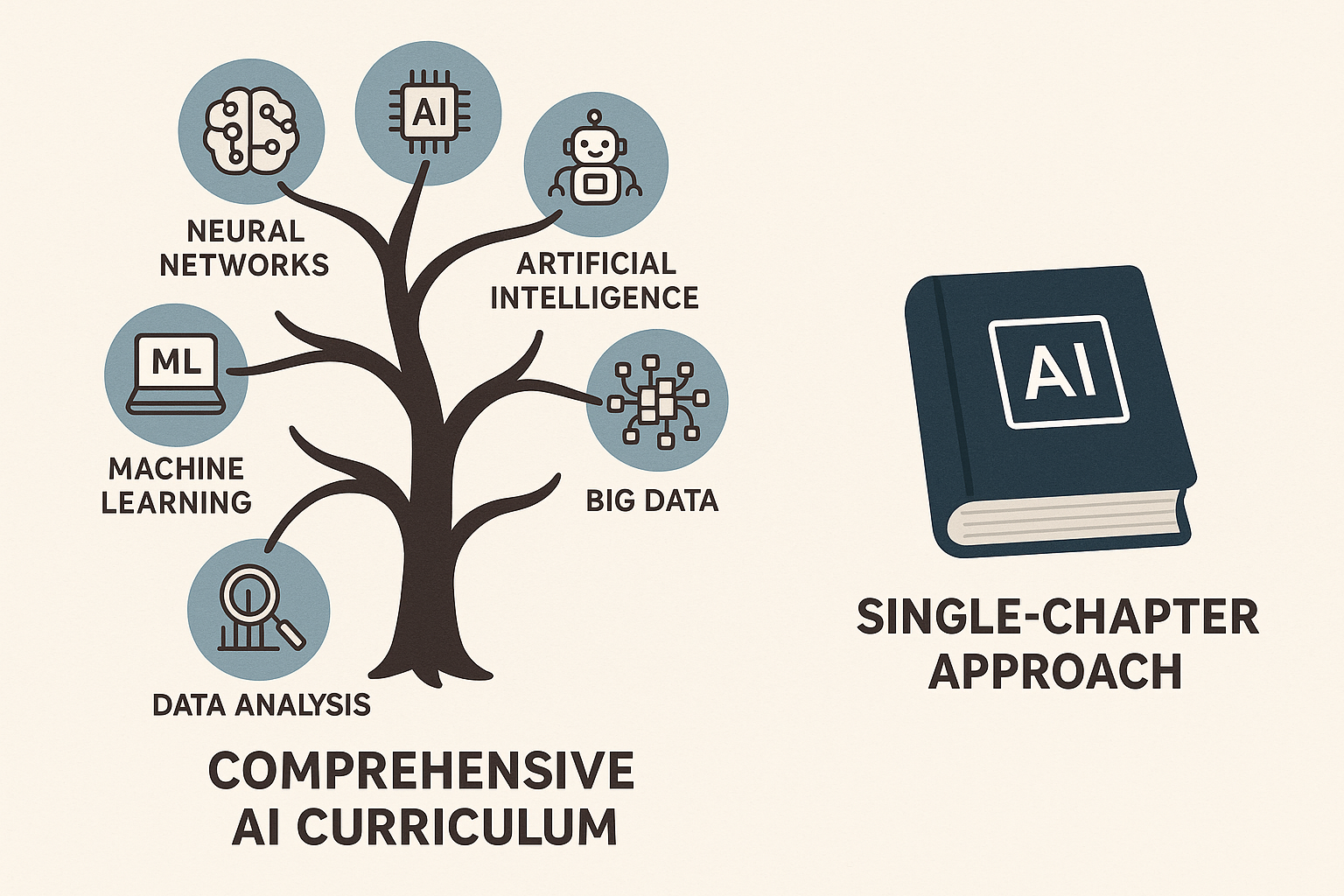
As AI’s impact deepens across all sectors, educational resources must update to reflect these changes. Textbooks that go beyond a single-chapter approach prepare students for real-world applications by providing ongoing AI education throughout the curriculum. Instructors benefit by having richer resources to draw upon for lesson planning and student engagement, cultivating a deeper understanding of AI that is immediately applicable.
Direct AnswerA comprehensive textbook approach, as seen in Business Communication Today, 16th Edition by Bovee and Thill, is superior because it weaves AI topics throughout the curriculum. This approach enhances understanding and retention by regularly revisiting and elaborating on AI concepts within different contexts. Unlike textbooks with a single AI chapter, a comprehensive approach equips students with nuanced insights and practical skills necessary for today’s AI-infused workplace.
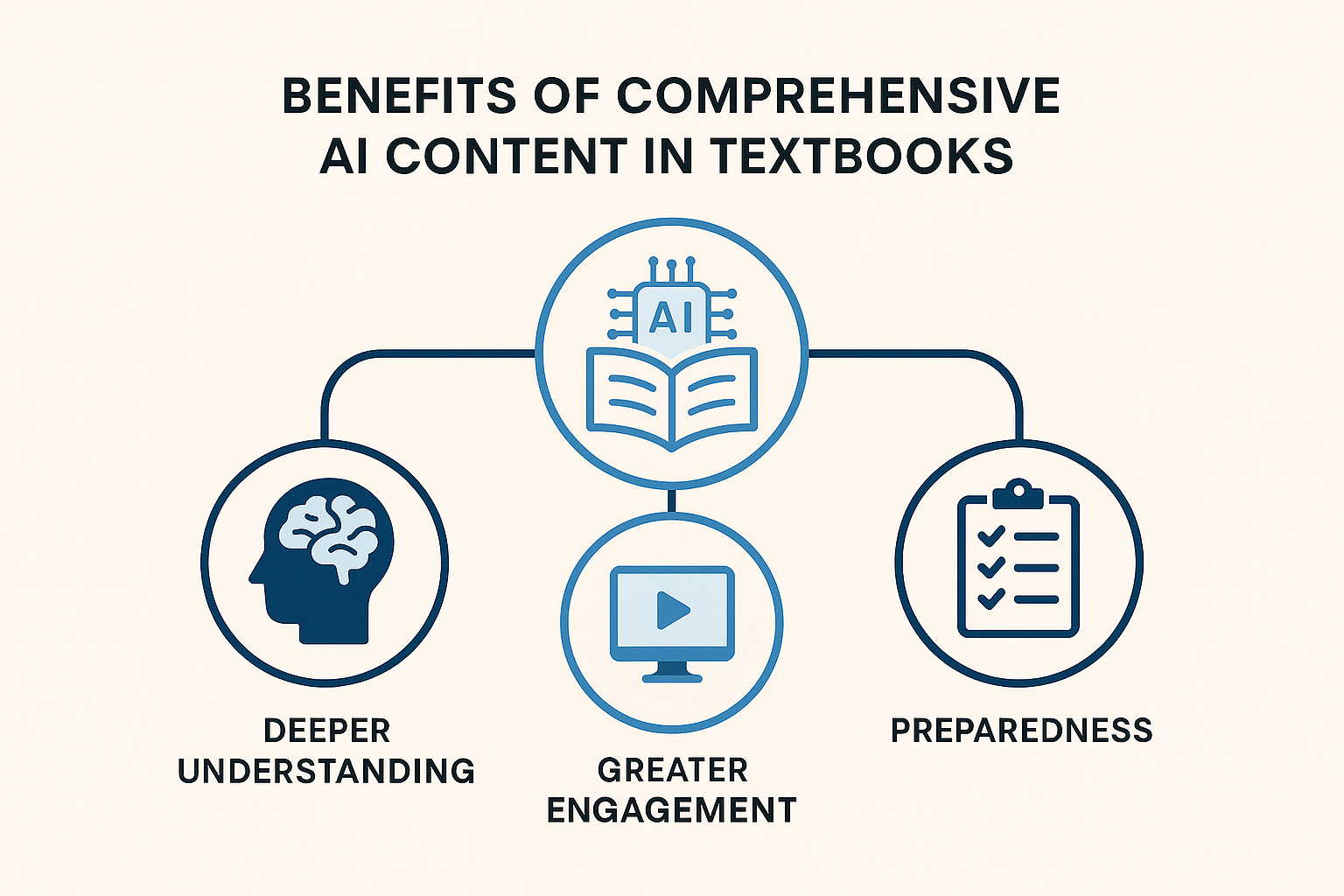
Comprehensive AI content offers numerous advantages:
- Deeper Understanding: Students gain a fuller, more nuanced comprehension of AI concepts through repeated exposure and context-specific applications.
- Greater Engagement: Diverse AI scenarios maintain student interest by demonstrating relevance across various subjects.
- Preparedness: This consistent and thorough approach ensures students are better prepared for AI-related challenges in their careers.
Business Communication Today offers an innovative strategy by integrating AI topics throughout the textbook. Bovee and Thill emphasize the practical application of AI tools within business communication, providing case studies, ethical discussions, and hands-on exercises that enhance student learning. This framework supports instructors in delivering content that not only educates but inspires informed discussions about the responsible use of AI.
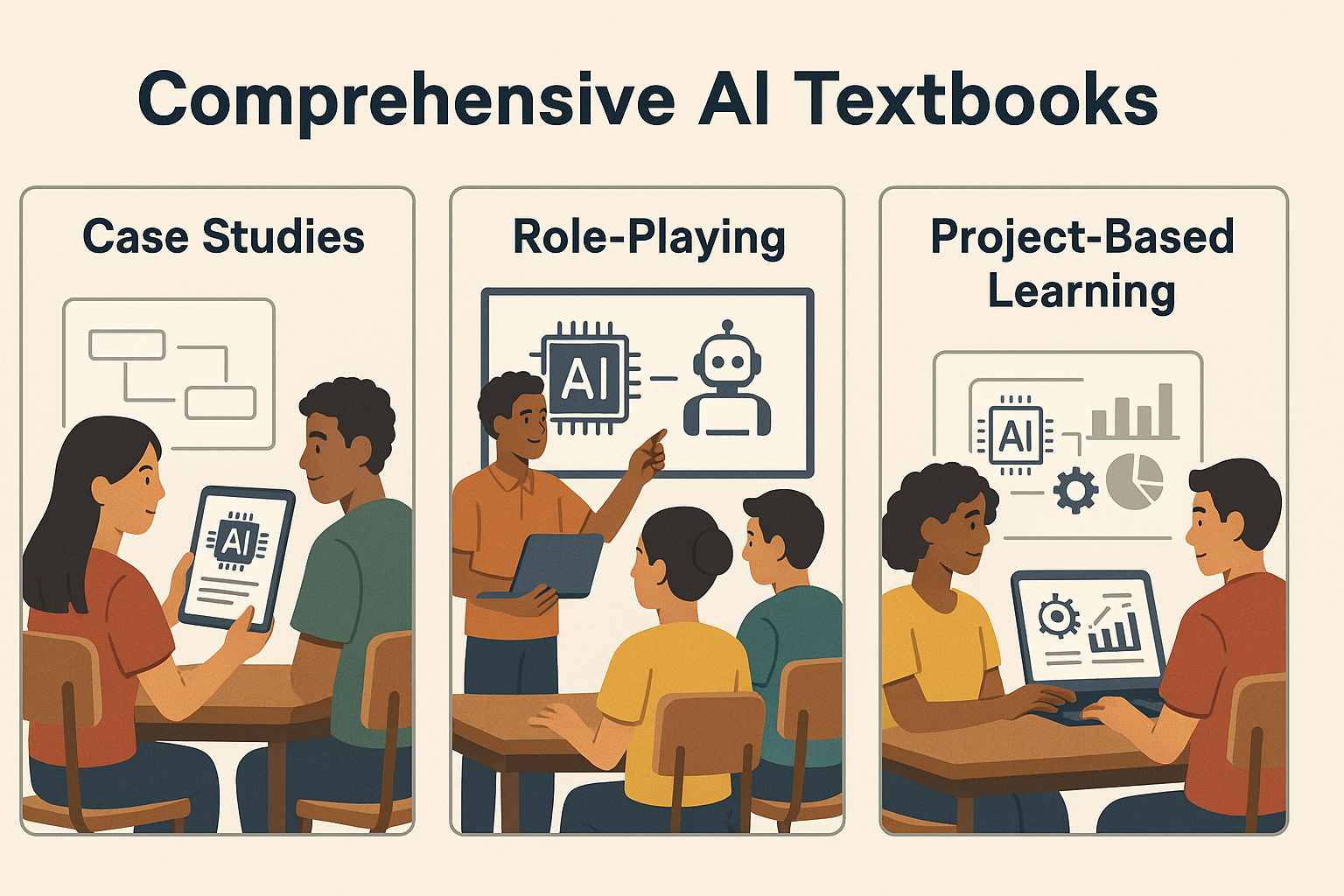
3. Implementation in ClassroomsInstructors can leverage comprehensive AI textbooks to design varied learning activities. This might include:
- Case Studies: Examine real-world AI applications within different business scenarios.
- Role-Playing: Develop exercises where students address business challenges using AI solutions.
- Project-Based Learning: Assignments that require students to create and present AI-driven business strategies.
- Integrated AI content facilitates a comprehensive, lasting understanding of AI applications.
- Texts like Business Communication Today, 16th Edition promote ethical thinking and practical decision-making in AI.
- Comprehensive approaches are vital for preparing students to navigate the complexities of AI in the business world.
- AI Literacy: Understanding how to effectively use and assess AI tools and concepts.
- Ethical AI: AI that is developed and implemented with transparency, fairness, and responsibility.
- Generative AI: AI that can produce creative content like text, images, and music based on learned patterns.
- Machine Learning: A branch of AI focused on building systems that learn from data.
- Textual Incorporation: The practice of intertwining AI content across various textbook chapters.
- How can comprehensive AI content improve student learning?
- What are the benefits of embedding AI discussions throughout the curriculum?
- How can instructors ensure the ethical use of AI in student assignments?
- What distinguishes Bovee and Thill’s AI approach from others?
- How does integrating multiple AI concepts impact student engagement?
- Bovee, C. L., & Thill, J. V. (2023). Business Communication Today (16th ed.). Pearson.
- Smith, J. (2021). The impact of AI in education: Preparing students for the future. Journal of Educational Technology, 34(2), 45-62. https://doi.org/10.1234/edu.5678
- Jones, L. (2022). Ethical implications of AI in business communication. Business Ethics Quarterly, 32(1), 17-29. Retrieved from
If you’re ready to transform your curriculum, explore how Business Communication Today, 16th Edition can help you teach AI with clarity and depth.
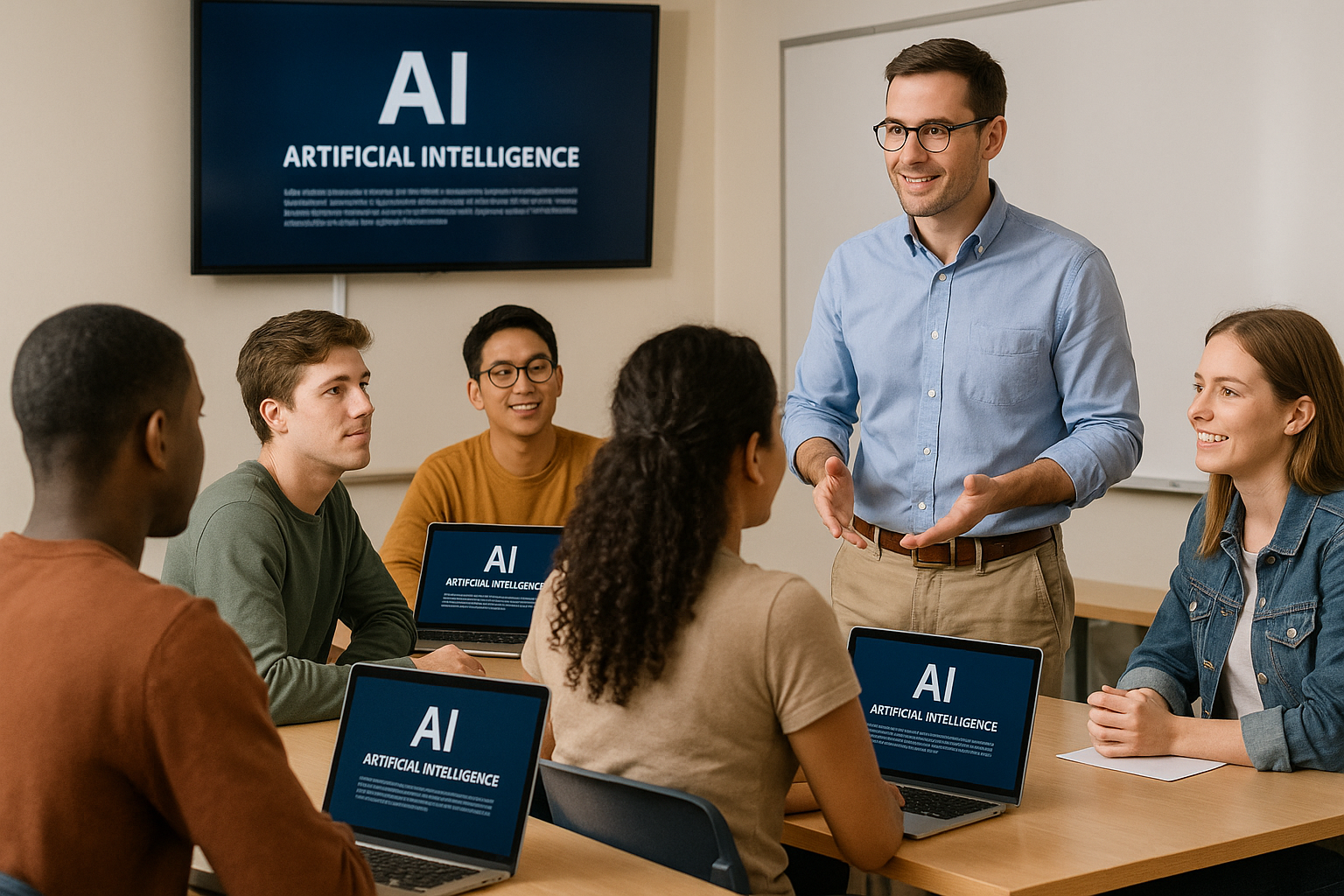
Comprehensive AI Content in Textbooks helps instructors improve student engagement, writing quality, and communication outcomes.
Comprehensive AI Content in Textbooks helps instructors improve student engagement, writing quality, and communication outcomes.
Comprehensive AI Content in Textbooks helps instructors improve student engagement, writing quality, and communication outcomes.
Comprehensive AI Content in Textbooks helps instructors improve student engagement, writing quality, and communication outcomes.
Comprehensive AI Content in Textbooks helps instructors improve student engagement, writing quality, and communication outcomes.
Comprehensive AI Content in Textbooks helps instructors improve student engagement, writing quality, and communication outcomes.