Encourage Valuable Learning by Leveraging Student Responses to Disasters
Understanding why students remember disasters better than success stories can be a key to unlocking more effective teaching strategies. Business Communication Today, 16th Edition by Courtland L. Bovee and John V. Thill illustrates this phenomenon and suggests how educators can use it to enhance learning outcomes. Recognizing how to utilize these retrospective biases effectively can empower educators to develop more engaging and impactful lessons. This article will delve into this topic, providing insights into integrating this understanding into classroom dynamics.
Students and educators alike stand to benefit from harnessing this cognitive pattern. By transforming perceived negative experiences into valuable learning opportunities, educators can foster resilience and critical thinking skills among diverse student groups. Many instructors frequently ask how best to convert students’ heightened recall of adverse events into productive classroom discussions. This query frames our exploration into the strategies and methodologies suggested by Bovee and Thill.
Learning ObjectivesUpon completing this article, instructors will be able to:
- Identify the psychological reasons behind students’ propensity to remember negative events.
- Implement strategies to transform recollections of disasters into learning opportunities.
- Evaluate teaching techniques that leverage students’ memory biases to enhance engagement.
Why do students tend to remember disasters more vividly than successes? This phenomenon is rooted in human psychology, where negative events often trigger stronger emotional responses, thereby cementing them in memory more firmly. According to Business Communication Today, 16th Edition by Courtland L. Bovee and John V. Thill, capitalizing on these memory biases can help educators develop teaching methods that resonate deeply with students.

Disasters stick more in students’ minds due to the “negativity bias” inherent in human cognition. The negativity bias is the differential sensitivity to negative versus positive stimuli. This is why instructors witness a diverse group of students recalling disruptions or unfavorable incidents more vividly during reviews or reflections. Harnessing this tendency allows educators to set pivotal learning moments around such recollections, enabling students to analyze and derive meaningful conclusions from them.
By acknowledging the permanence of such memories, educators can guide students to understand the circumstances surrounding a disaster, drawing lessons from cause and effect. This proactive approach positively frames what could easily be overlooked as a mere mishap.

To transform memorable disasters into meaningful educational experiences, instructors need to encourage a reflective posture among students. Using guided discussions, case studies, and storytelling, educators can turn real-life or historical disasters into powerful lessons. When students engage in activities like mock crisis management or role-play, they not only practice problem-solving but also reinforce the lessons learned from their recollections in an embodied way.

Incorporating structured reflection exercises into the curriculum can help students establish connections between past disasters and theoretical content. Instructors at universities have found success by assigning reflective journals where students analyze past events, exploring their impact on current learning. This reflective approach encourages them to internalize and retain important concepts longer.
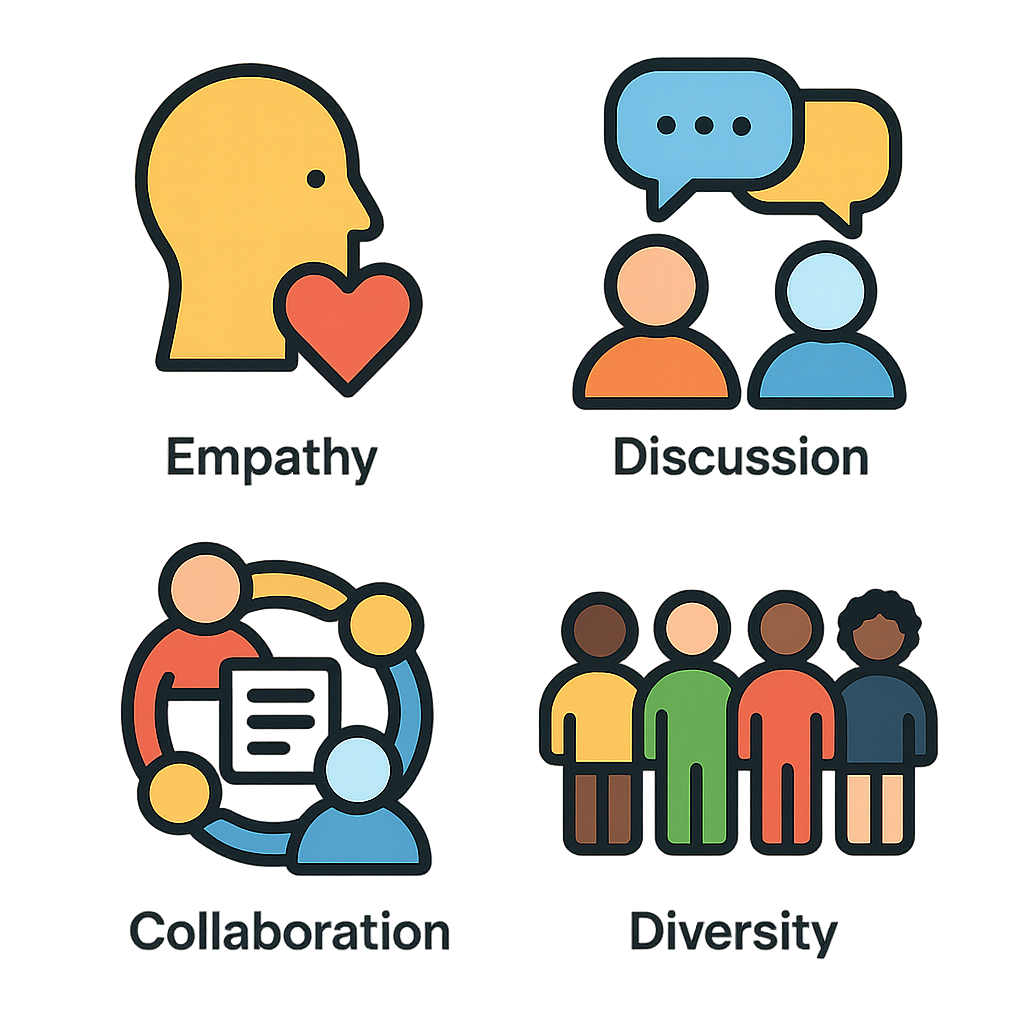
Furthermore, instructors can implement peer-learning activities where a diverse group of students can discuss these reflections in forums. Such group tasks can enhance empathy and collaboration, while also fostering a deeper understanding of various perceptions and memory representations among students from diverse backgrounds.
- Disasters create strong negative emotional responses that enhance memory retention.
- Guided reflection and active learning transform these memories into positive educational insights.
- Structured activities like role-playing and journaling reinforce learning and enhance engagement.
- Inclusive reflection encourages empathy and deeper collaborative learning.
- Negativity Bias: The tendency for negative experiences to have a more significant impact on an individual’s psychological state and processes than neutral or positive experiences.
- Reflective Learning: A process where learners engage in examining and understanding their thoughts, behaviors, and responses to previous experiences.
- Cognitive Recall: The act of retrieving information from the past, often impacted by emotional or psychological cues associated with the memory.
- Critical Thinking: The ability to think clearly and rationally about what to believe or what to do, often applied in solving problems and making decisions.
- Peer-Learning: An educational practice wherein students learn from one another, often gaining insights from diverse perspectives and knowledge bases.
- What psychological mechanisms explain why negative events are more memorable than positive ones?
- How can instructors integrate disaster-based case studies in a balanced curriculum?
- What role does peer learning play in processing negative experiences in educational settings?
- How do reflection exercises contribute to improved memory recall in students?
- Which instructional strategies work best to convert memorable disasters into constructive discussions?
- Can positive experiences be made as memorable as negative ones for effective learning?
- In what ways can instructors measure the impact of reflective learning strategies?
APA Style
- Bovee, C. L., & Thill, J. V. (2023). Business Communication Today (16th ed.). Pearson.
- Smith, R. L. (2022). Exploring the emotional triggers in educational settings. Journal of Educational Psychology, 120(3), 340-352. https://doi.org/10.1037/edu0000754
- Johnson, M., & Lee, H. (2021). Reflective teaching practices and enhanced cognitive learning. Educational Review, 73(2), 250-265. https://doi.org/10.1080/00131911.2020.1849682
- Brown, C. M. (2020). The impact of experiential learning on memory retention. American Journal of Education, 45(1), 123-139. https://doi.org/10.1086/703635
- Adler, P. S., & Kwon, S.-W. (2023). Harnessing negativity bias for educational benefit: Practical applications. Teaching and Teacher Education, 117, 103754. https://doi.org/10.1016/j.tate.2023.103754
If you’re ready to transform student experiences from recalling past disasters into lessons of success and growth, consider how Business Communication Today, 16th Edition can enhance your curriculum and provide a structured framework for learning.