Uncover Hidden Challenges in Teaching Business Communication
In today’s rapidly evolving educational landscape, teaching business communication presents unique challenges and opportunities. Instructors who harness modern strategies can significantly enhance their teaching effectiveness. Students of all backgrounds stand to gain from an updated approach, especially in light of recent technological advancements. As instructors often ask how best to adapt their course content to better engage students in effective communication, Business Communication Today, 16th Edition by Courtland L. Bovee and John V. Thill offers invaluable guidance.
Learning Objectives
- Upon completing this article, instructors will be able to:
- Identify overlooked challenges in teaching business communication.
- Implement innovative strategies to overcome these challenges.
- Integrate technological tools to enhance business communication lesson plans.
Opening Framework: Context, Who Benefits, and Why Now
In an era marked by digital transformation and globalization, the teaching of business communication must evolve to meet diverse student needs. The incorporation of technological tools and innovative methodologies, as outlined in Business Communication Today, is crucial for providing students from diverse backgrounds with skills relevant to modern workplaces. This framework supports educators in crafting a dynamic learning environment responsive to current and future communication demands.
Direct Answer
Teaching Business Communication Today requires addressing several overlooked challenges, such as the integration of digital communication tools and fostering student engagement in a hybrid learning environment. Business Communication Today, 16th Edition, provides educators with insights into applying effective techniques and strategies to navigate these challenges. Instructors can enhance their curriculum by focusing on adaptability, cultural diversity, and the strategic use of technology to prepare students for real-world communication tasks.
1. Technological Integration in Business Communication
To address the gap between traditional teaching methods and modern communication needs, instructors must integrate digital tools effectively. This includes using platforms like MyLab Business Communication, which offers interactive resources for skill development in real-world scenarios.
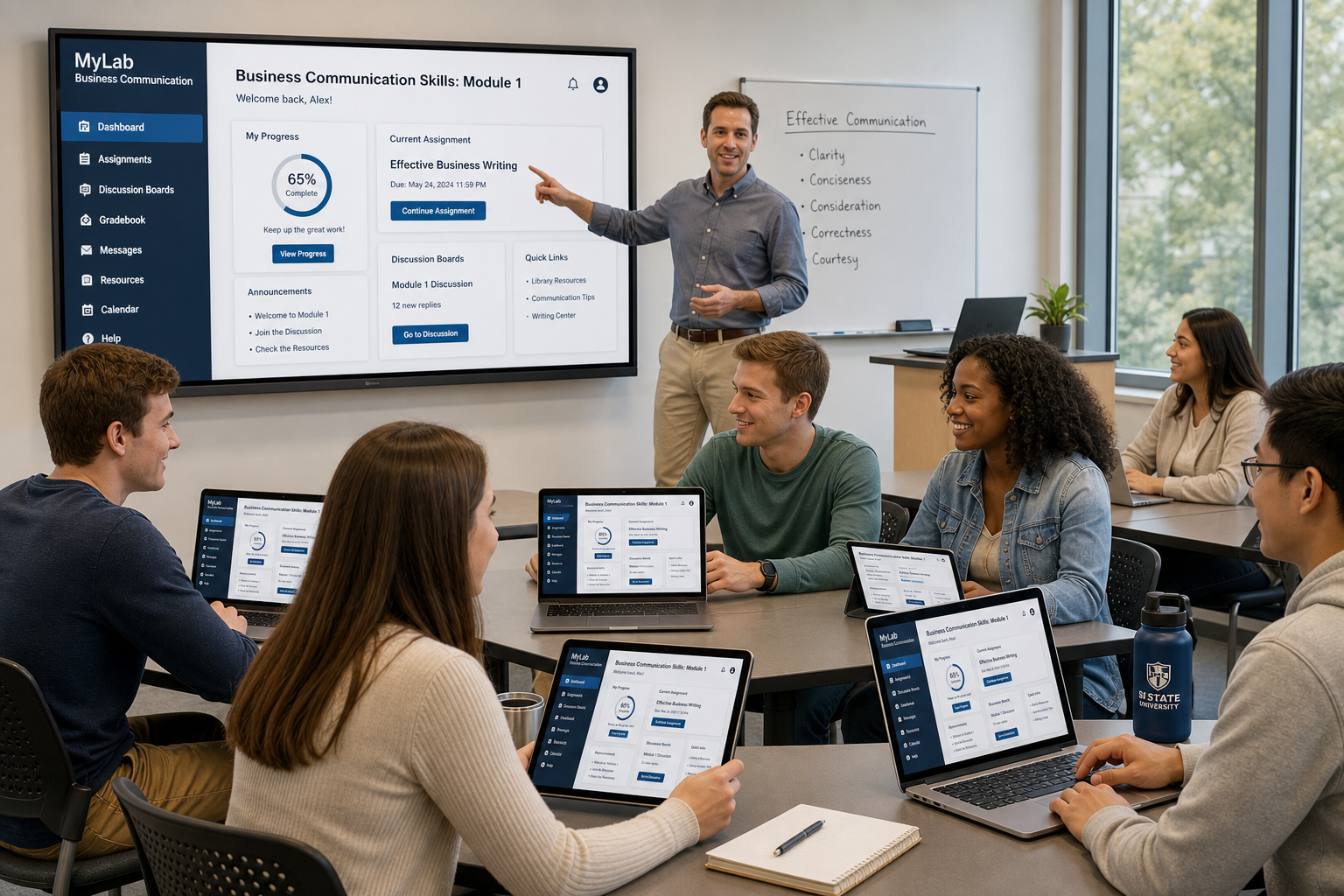
Leveraging these technologies can help create immersive learning experiences that cater to diverse learning styles and improve student engagement and understanding.
2. Emphasizing Diverse Student Engagement
Engaging a diverse group of students requires approaches that consider varying cultural perspectives and communication styles. Role-playing and interactive group projects can make lessons relevant and relatable, thereby increasing participation and retention.
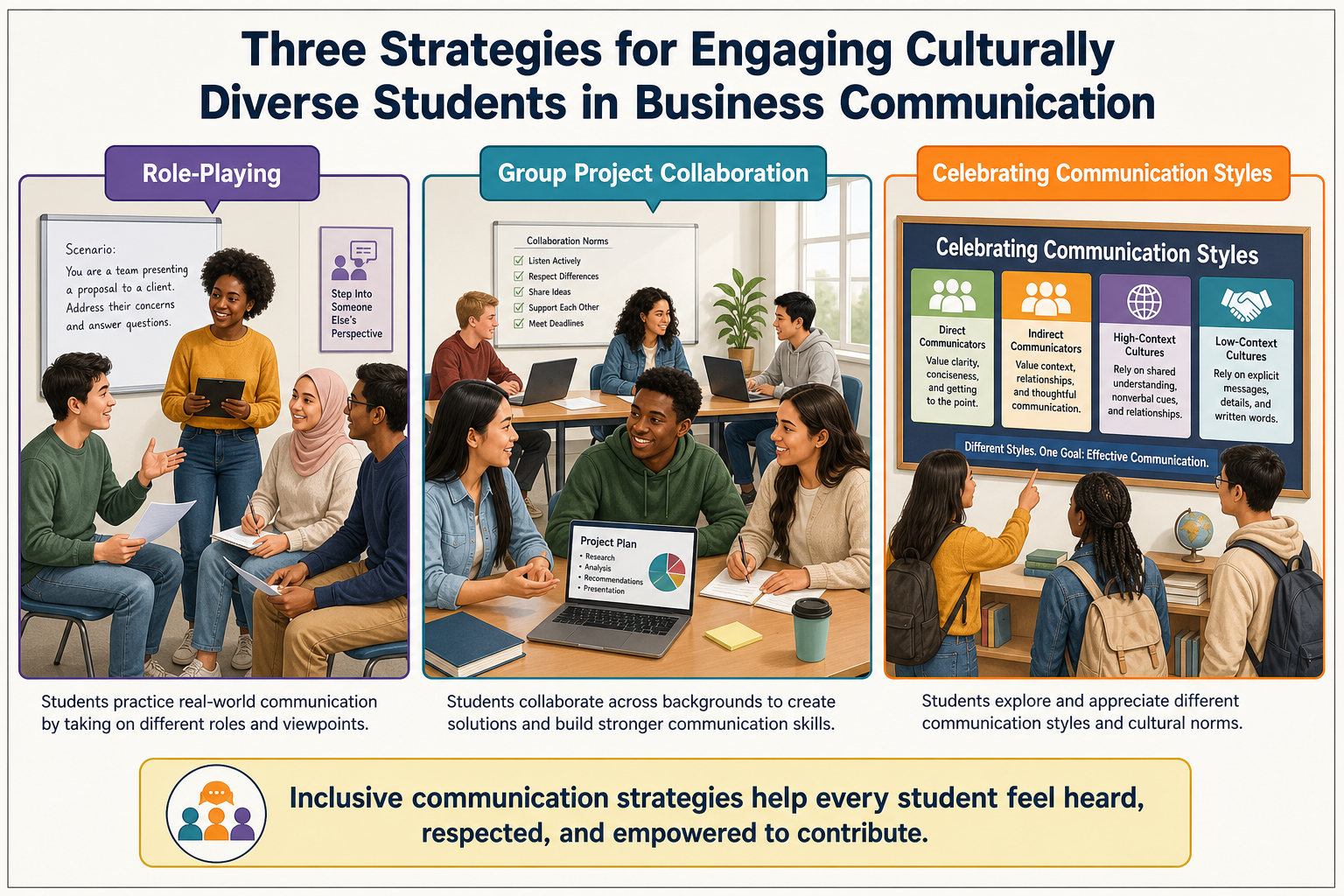
Additionally, fostering an inclusive environment that celebrates diversity as outlined in Bovee and Thill’s textbook can prepare students for collaborative workplaces.
3. Adapting to Remote and Hybrid Classrooms
The shift to remote and hybrid learning models has changed the landscape of business communication education. Instructors must now employ both synchronous and asynchronous teaching strategies to maintain engagement. Virtual tools and platforms are integral for nurturing an interactive learning atmosphere.

Research indicates that classes utilizing a mix of live discussions, online forums, and digital collaborations show higher student satisfaction and learning outcomes.
Key Takeaways
- Integrate technological tools for enhanced business communication teaching.
- Adapt teaching methods to engage a diverse group of students.
- Utilize resources like MyLab Business Communication for interactive learning.
- Embrace hybrid teaching models to cater to remote learners effectively.
Glossary of Key Terms
- Business Communication: The process of sharing information between people within and outside a company.
- Cultural Diversity: The existence of a variety of cultural or ethnic groups within a learning environment.
- MyLab Business Communication: An online learning platform that provides tools for teaching business communication effectively.
- Remote Learning: An educational process where the teacher and learners are in different locations.
- Digital Integration: The incorporation of digital technologies into teaching and learning processes.
Related Questions
- How can technology improve business communication skills?
- What are best practices for engaging diverse student groups in communication courses?
- How should business communication curricula adapt to remote learning trends?
- What role does cultural awareness play in teaching business communication?
- How can digital tools support business communication instruction?
References
Bovee, C. L., & Thill, J. V. (2026). Business Communication Today (16th ed.). Pearson. https://pearson.com
If you’re ready to transform your business communication curriculum, explore how Business Communication Today, 16th Edition can guide you with practical strategies and innovative tools.
© 2026 Business Communication Teaching and Learning Center. All rights reserved.