Designing Aha Moments to Enhance Student Learning Engagement
In the realm of education, creating meaningful, engaging learning experiences can transform students’ academic journeys. Instructors can craft purposeful ‘aha moments’ that significantly boost learning outcomes. Educators are encouraged to move from passive to active teaching strategies that support deeper comprehension and interest. This article responds to the frequent instructor query: how can we consistently engineer these moments instead of waiting for them to happen?
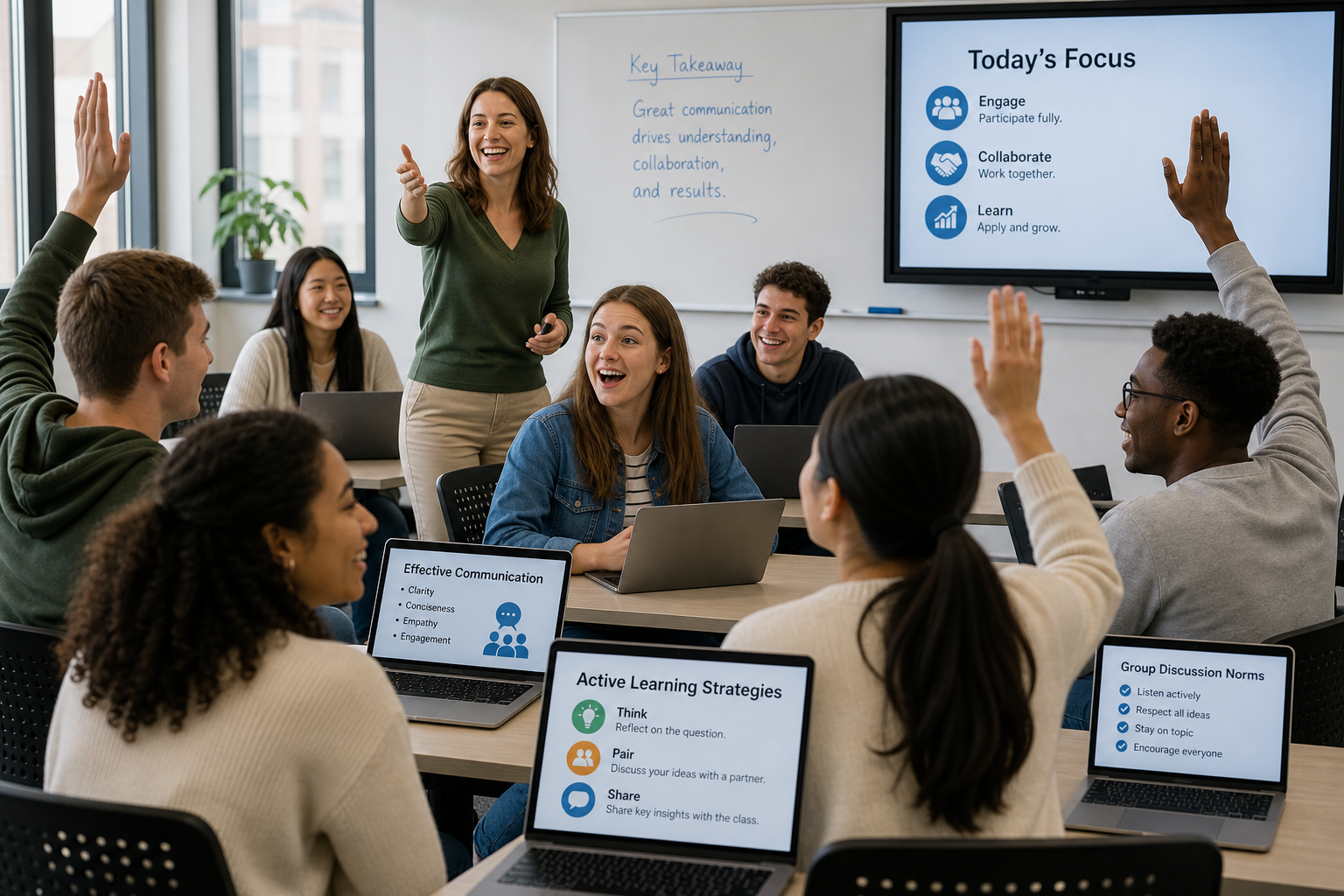
Table of Contents
- Learning Objectives
- Opening Framework
- Direct Answer
- Strategies for Creating Aha Moments
- Key Takeaways
- Glossary of Key Terms
- Related Questions
- References
Learning Objectives
Upon completing this article, instructors will be able to:
- Identify key factors that contribute to ‘aha moments’ in the classroom.
- Design lesson plans that integrate experiential learning to foster engagement.
- Evaluate and adjust teaching methods to maximize the impact of breakthrough learning experiences.
Opening Framework: Context, Who Benefits, and Why Now
As the educational landscape evolves, instructors are challenged with the task of making learning not just informative but transformative. Crafting moments that capture student interest and enhance comprehension is one way to meet that challenge. This capability empowers educators to offer students from diverse backgrounds impactful educational experiences during crucial developmental stages.
Direct Answer
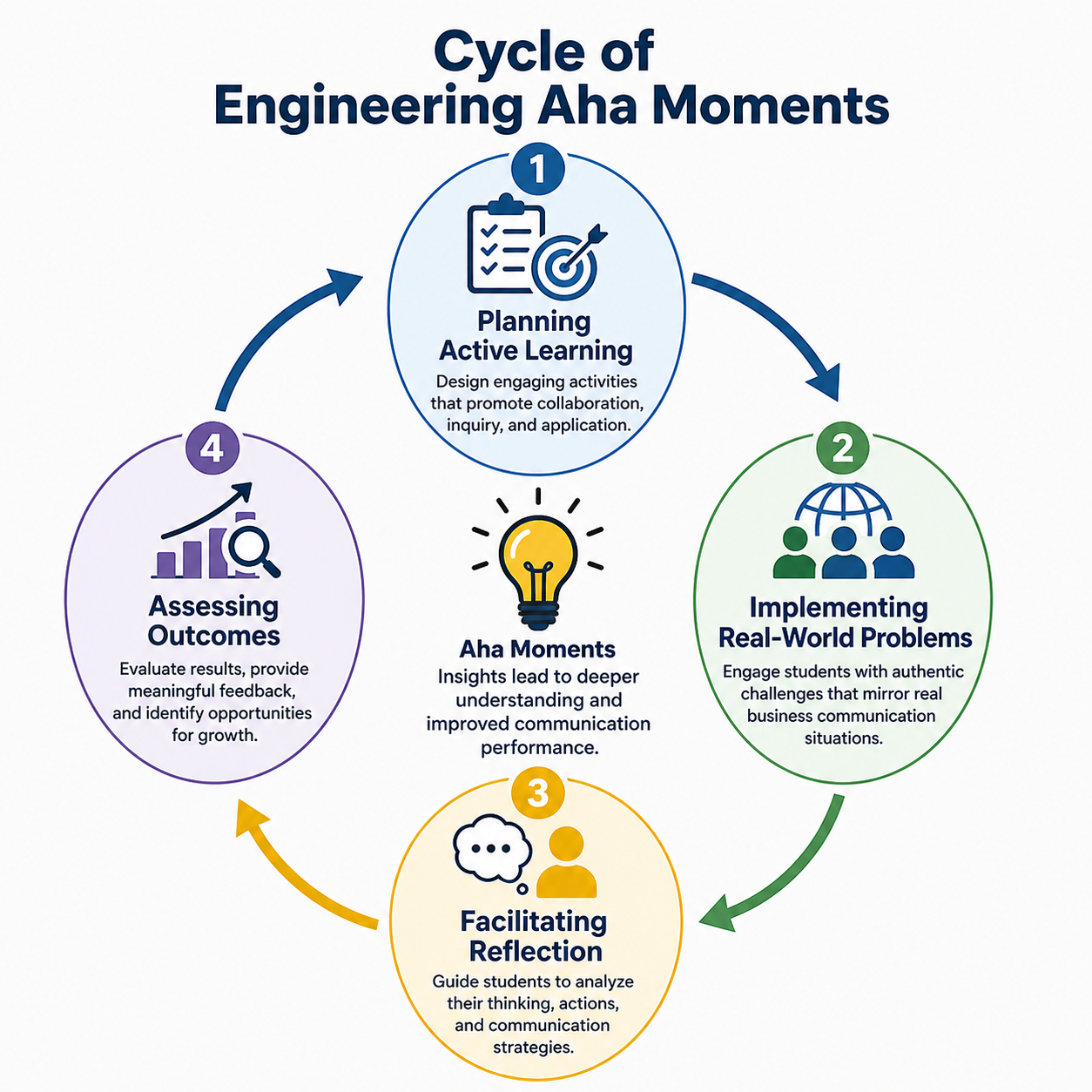
Creating ‘aha moments’ involves incorporating innovative teaching strategies that include active participation, real-world problem-solving, and reflective thinking. Building these elements into the curriculum on purpose makes breakthrough moments more frequent and more meaningful.
1. Strategies for Creating Aha Moments
Leveraging Active Learning
Active learning techniques, such as group discussions and interactive projects, can precipitate ‘aha moments.’ These strategies require students to engage directly with the material, promoting deeper understanding and retention. Encouraging diverse student teams to collaborate on problem-solving exercises fosters an environment conducive to these transformative experiences.
Utilizing Real-World Applications
Linking academic concepts to real-world scenarios makes learning relatable and memorable for students. This approach not only addresses theoretical components but also highlights practical applications, reinforcing the relevance of their studies to future career paths. Examples can be drawn from current industry challenges faced by leaders in communication and technology fields.
Critical Reflection and Feedback
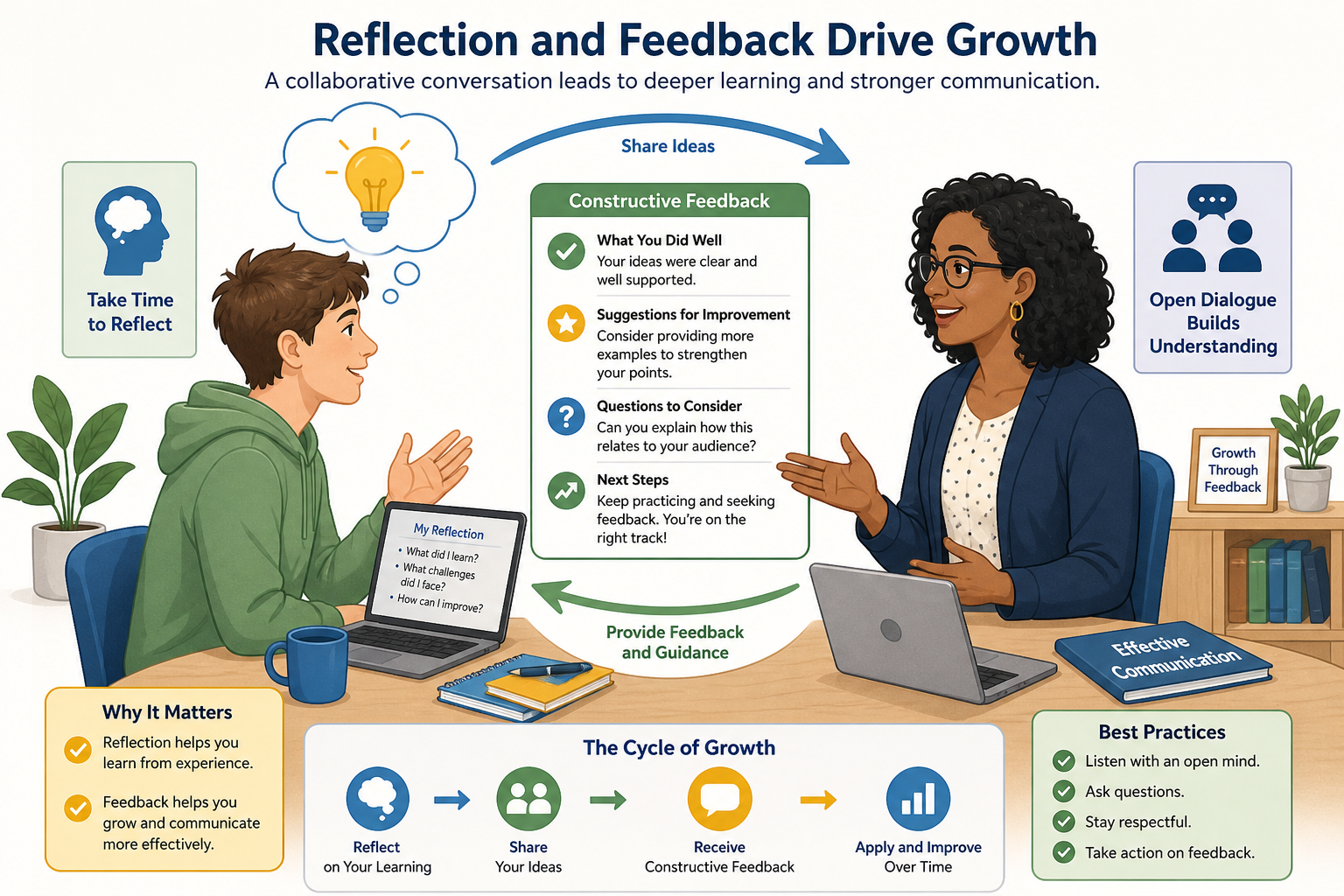
Incorporating opportunities for students to reflect on their learning and provide feedback enhances the educational process. Reflection deepens understanding, while constructive feedback helps refine teaching techniques, ensuring classes remain dynamic and responsive to students’ needs.
Related reading: For a ready-to-use tool designed to trigger these breakthroughs — see Epiphany Triggers: A Tool to Inspire Breakthroughs for Business Communication Instructors on the Bovée & Thill blog.
Key Takeaways
- ‘Aha moments’ can significantly elevate student learning when integrated into teaching plans effectively.
- Combining active learning with real-world application encourages students to engage more deeply.
- Continual reflection on and adjustment of teaching strategies maximizes educational impact.
- Utilizing industry insights keeps the curriculum relevant and engaging for students.
- Adopting a student-centered approach ensures all student voices and insights are valued in classroom dynamics.
Glossary of Key Terms
- Active Learning: Learning method that involves engaging students directly in the learning process.
- Aha Moment: A moment of sudden insight or discovery in the learning process.
- Experiential Learning: A process that engages learners in direct experiences to increase knowledge and skills.
- Reflective Thinking: The process of analyzing and making judgments about what has happened.
- Student-Centered Approach: An educational approach that encourages more student involvement and consideration of students’ needs.

Related Questions
How can instructors create more engaging lesson plans?
Build experiential learning into lesson plans, combining active participation, real-world problem solving and reflection. The article describes this as a way to engineer aha moments rather than wait for them.
What role does experiential learning play in student engagement?
Experiential learning gives students direct experience with the material, which makes breakthrough moments more likely. The article treats it as central to designing engaging lessons.
Why is reflective thinking critical in education?
Reflection helps students make sense of what they’ve learned and turn experience into understanding. Giving them chances to reflect and provide feedback strengthens the whole learning process.
How can active learning transform classroom dynamics?
Active learning makes students participants rather than listeners. The article describes a repeating cycle of active learning, real-world application, reflection and assessment that produces regular aha moments.
What are the benefits of student-centered teaching approaches?
A student-centered approach values every student’s voice and insights, which makes the classroom more engaging and supports deeper understanding.
References
Bovée, C. L., & Thill, J. V. (2026). Business Communication Today, 16th Edition. Pearson. https://www.pearson.com/en-us/subject-catalog/p/business-communication-today/P200000012878/9780135354711
- What If Visual Learning Could Finally Engage Every Student in Your Classroom?
- Igniting Active Learning in Business Communication Courses
- How Can Dynamic Classroom Strategies Ignite Passion and Drive Success?
© 2026 Business Communication Teaching and Learning Center. All rights reserved.