Preventing Academic Dishonesty in Business Communication Classes
This article gives business communication instructors three sets of tactics: assessment and policy steps that reduce cheating, plagiarism prevention built on citation and paraphrasing practice, and ways to set and model behavioral expectations that curb classroom abuse.
Table of Contents
- Introduction
- Learning Objectives
- Opening Framework
- Direct Answer
- 1. Strategies to Mitigate Cheating
- 2. Plagiarism Prevention Techniques
- 3. Managing Classroom Abuse
- Key Takeaways
- Glossary of Key Terms
- Related Questions
Introductory Summary
Business communication instructors often face challenges related to academic dishonesty but now have access to resources that can help mitigate these issues. Business Communication Today, 16th Edition, by Courtland L. Bovée and John V. Thill, teaches students the ethics of business communication, and this article adds strategies for maintaining integrity in the classroom.
Learning Objectives
Upon completing this article, instructors will be able to:
- Identify effective strategies for reducing cheating in the classroom.
- Implement plagiarism prevention tools and techniques.
- Develop approaches to manage any form of abuse within learning environments.
Opening Framework: Context, Who Benefits, and Why Now
In today’s digital era, academic integrity has become a pressing concern across educational institutions. With the increasing availability of technological tools, it becomes essential for educators to equip students with ethical guidelines and tools to discern right from wrong. A structured approach to these challenges protects both student learning and institutional reputation.
Direct Answer
Effective strategies to combat cheating, plagiarism, and abuse in business communication classrooms include implementing robust academic policies, utilizing plagiarism detection software like Turnitin, and creating an educational culture emphasizing integrity. The sections below explain how to put each one into practice.
1. Strategies to Mitigate Cheating
Instructors can employ several proactive strategies to reduce cheating. Strategies include creating unique assignments and exams that are difficult to replicate, establishing clear academic honesty policies, and utilizing technology such as secure browser software during tests. Encouraging open dialogues about integrity fosters a classroom culture that inherently discourages dishonest behavior.

2. Plagiarism Prevention Techniques
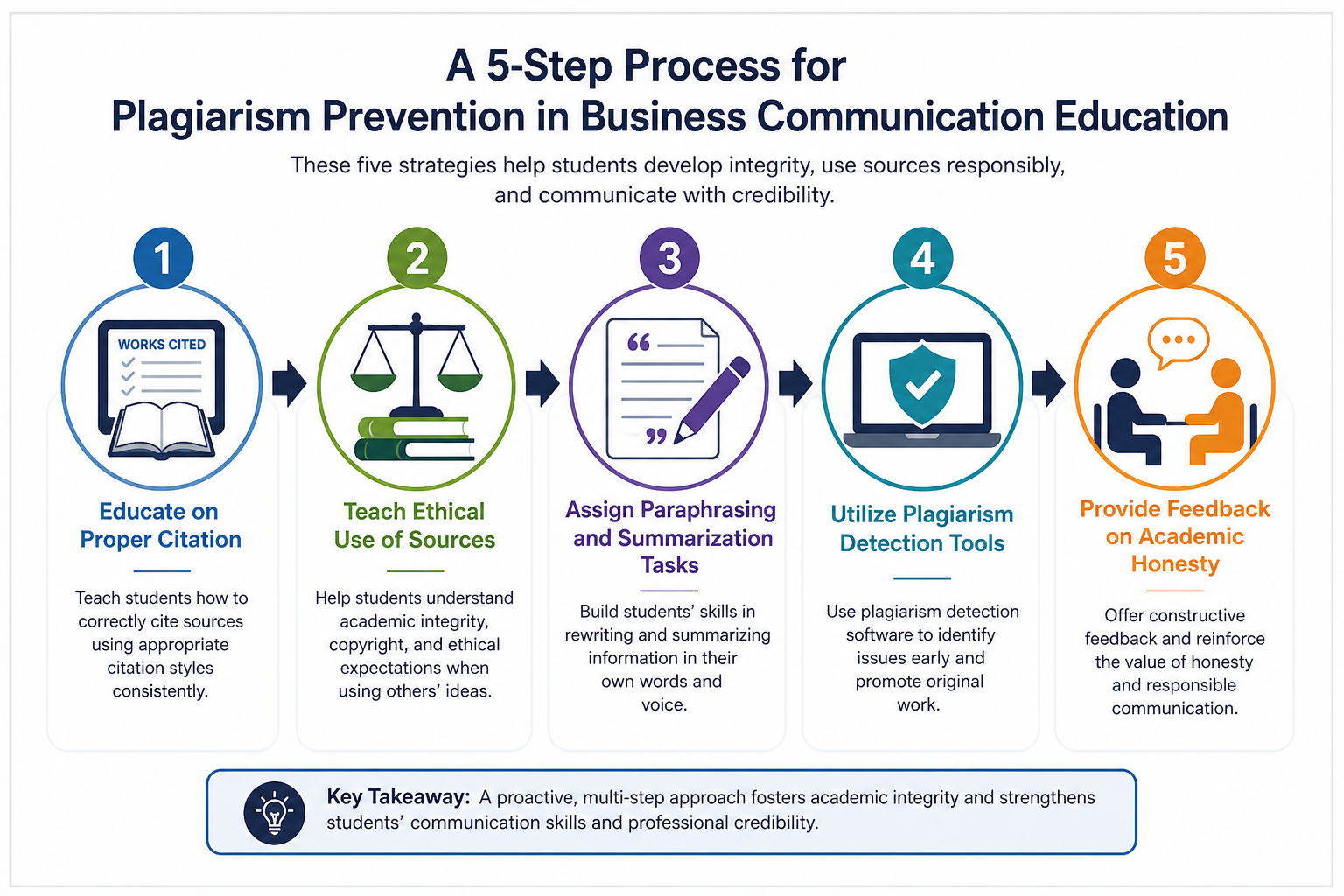
Preventing plagiarism requires a multi-faceted approach. Utilizing software tools like Turnitin or Grammarly can help identify potential plagiarism incidents in student submissions. Additionally, educating students on proper citation and the ethical use of sources is paramount. Assignments that focus on paraphrasing and summarization helps students practice integrity while learning.
3. Managing Classroom Abuse
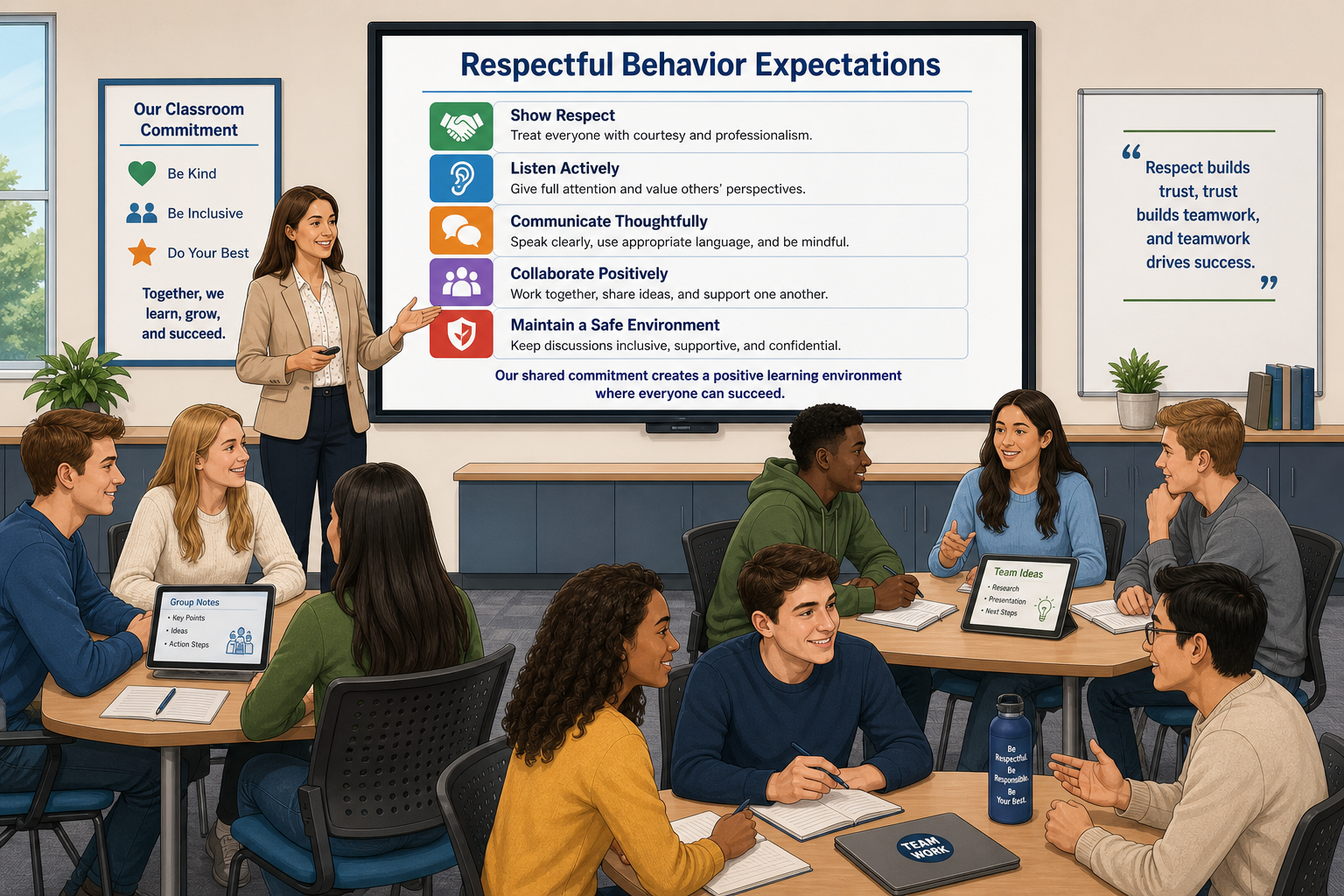
Addressing emotional and verbal abuse in classrooms can be challenging, but it is necessary for maintaining a respectful learning environment. Instructors should foster a classroom culture of respect by clearly outlining behavioral expectations at the beginning of a course. Active engagement, such as group activities involving a diverse group of students, can help create a sense of community and reduce instances of bullying or intimidation. The Bovée & Thill blog post Combating Communication Corruption: Strategies to Conquer Cheating, Plagiarism, and Abuse goes further on this point, covering microaggressions, instructor boundaries, and when to involve campus security.
Key Takeaways
- Implement policies that foster a classroom culture of integrity and respect.
- Utilize plagiarism detection tools to assist in identifying and preventing academic dishonesty.
- Incorporate educational activities that promote understanding and practice of ethical behavior.
- Engage students in discussions about integrity to underscore its importance in their education and future careers.
Glossary of Key Terms
Academic Integrity: Commitment to honesty, trust, fairness, respect, and responsibility in an academic setting.
Plagiarism: Using someone else’s work or ideas without proper attribution.
Turnitin: A software tool used for plagiarism detection and grading.
Secure Browser Software: A tool that limits user actions during online exams to minimize cheating.
Ethical Use of Sources: Properly crediting sources of information in academic work.
Related Questions
How can business communication courses benefit from online plagiarism tools?
Tools such as Turnitin or Grammarly help identify possible plagiarism in student submissions. The article treats them as one part of a larger approach that also includes clear policies and practice with citation and paraphrasing.
What role does classroom culture play in promoting academic integrity?
A strong culture discourages dishonesty before it starts. Open conversations about integrity, along with proactive classroom management and transparent use of technology, make honest work the norm.
What are some innovative methods to teach ethical collaboration in business communication classes?
Give students clear ethical guidelines for collaborating and practice with citation and paraphrasing, so they know where shared work ends and copying begins.
How can technology be balanced to ensure fairness in remote learning assessments?
Use technology transparently and pair it with proactive management and clear assessment policies. The article notes that this combination helps maintain integrity during assessments.
What challenges do instructors face in curbing plagiarism in the digital age?
Digital tools make copying and misusing sources easier, so instructors face more academic dishonesty. The article recommends prevention built on citation and paraphrasing practice, backed by detection tools and clear policies.
How can educators effectively address abuse in virtual learning environments?
Address emotional and verbal abuse directly and set clear standards for respectful conduct. The article treats this as necessary for keeping any learning environment respectful, though challenging to do.
How does Business Communication Today support teaching integrity?
The textbook teaches ethical communication and the responsible use of sources and AI, which gives students the principles behind your integrity policies.
References
Bovée, C. L., & Thill, J. V. (2026). Business Communication Today (16th ed.). Pearson.
Turnitin. (n.d.). https://www.turnitin.com
Grammarly. (n.d.). https://www.grammarly.com
- When Does Persuasion Become Manipulation in Business Communication?
- Best Practices for Managing Classroom Crisis Situations in Business Communication
- Which Ethical Landmines Are Hiding in Your Curriculum?
© 2026 Business Communication Teaching and Learning Center. All rights reserved.