Artificial Intelligence in Business Communication Education: Enhancing Learning for Tomorrow
As the landscape of education evolves, the integration of artificial intelligence (AI) in business communication curriculum emerges as a transformative force. Within this context, the role of generative AI presents unique opportunities to enhance student engagement, foster creativity, and personalize learning experiences. This article delves into the practical applications, challenges, and future prospects of incorporating generative AI in business communication education.Table of Contents
Table of Contents
– The Role of Generative AI in Business Communication Education – Opportunities for Integration and Enhancement – Challenges and Limitations – Strategies for Effective Implementation – Empowering Faculty through Training and Support – ConclusionThe Role of Generative AI in Business Communication Education
Generative AI refers to AI systems that can autonomously produce content, such as text, images, or even videos. In the realm of business communication education, this technology offers a groundbreaking approach to teaching and learning. By leveraging generative AI tools, educators can provide students with real-world scenarios, instant feedback, and personalized assignments tailored to their skill levels and interests. Incorporating generative AI in the classroom fosters a dynamic learning environment where students actively engage with course material, collaborate on projects, and develop critical thinking skills. Prompt engineering, a strategy that involves designing effective prompts to guide AI-generated content creation, lies at the core of this educational approach.Opportunities for Integration and Enhancement
One of the primary advantages of using generative AI in business communication education is the ability to offer personalized learning experiences. AI algorithms can analyze individual learning patterns and preferences, delivering customized content to enhance student comprehension and retention. Furthermore, AI literacy, the proficiency in understanding and utilizing AI technologies, becomes a valuable skill set for students preparing for the workforce. Moreover, generative AI opens doors to simulated real-world scenarios, allowing students to practice communication skills in a risk-free environment. Virtual presentations, AI-generated feedback on written assignments, and targeted language practice are just a few examples of how AI can enhance the learning process in business communication courses.
Figure 1. Students practice business communication skills in a classroom by using generative AI tools for virtual presentations, feedback, and language practice.
Challenges and Limitations
Despite its numerous benefits, the integration of generative AI in business communication education also poses challenges and limitations. One significant concern is the ethical use of AI technology, particularly regarding data privacy, algorithmic bias, and intellectual property rights. Educators must navigate these ethical considerations to ensure a transparent and responsible implementation of AI tools in the classroom. Another challenge lies in the initial learning curve associated with adopting generative AI technologies. Faculty members may require specialized training to effectively incorporate AI-powered resources into their teaching practices. Additionally, ensuring that AI-generated content aligns with educational objectives and standards demands vigilance and oversight from educators.Strategies for Effective Implementation
To maximize the benefits of generative AI in business communication education, institutions can implement several strategies. Providing faculty training programs focused on AI integration, pedagogical approaches, and ethical considerations equips educators with the necessary skills to leverage AI technology effectively. Collaborating with industry partners and AI experts can also offer valuable insights and resources for implementing AI tools in the classroom. Furthermore, fostering a culture of experimentation and innovation encourages faculty members to explore diverse AI applications, share best practices, and continuously improve teaching strategies. By establishing a supportive environment for AI experimentation, institutions can create a dynamic learning ecosystem that reflects the evolving demands of the business communication field.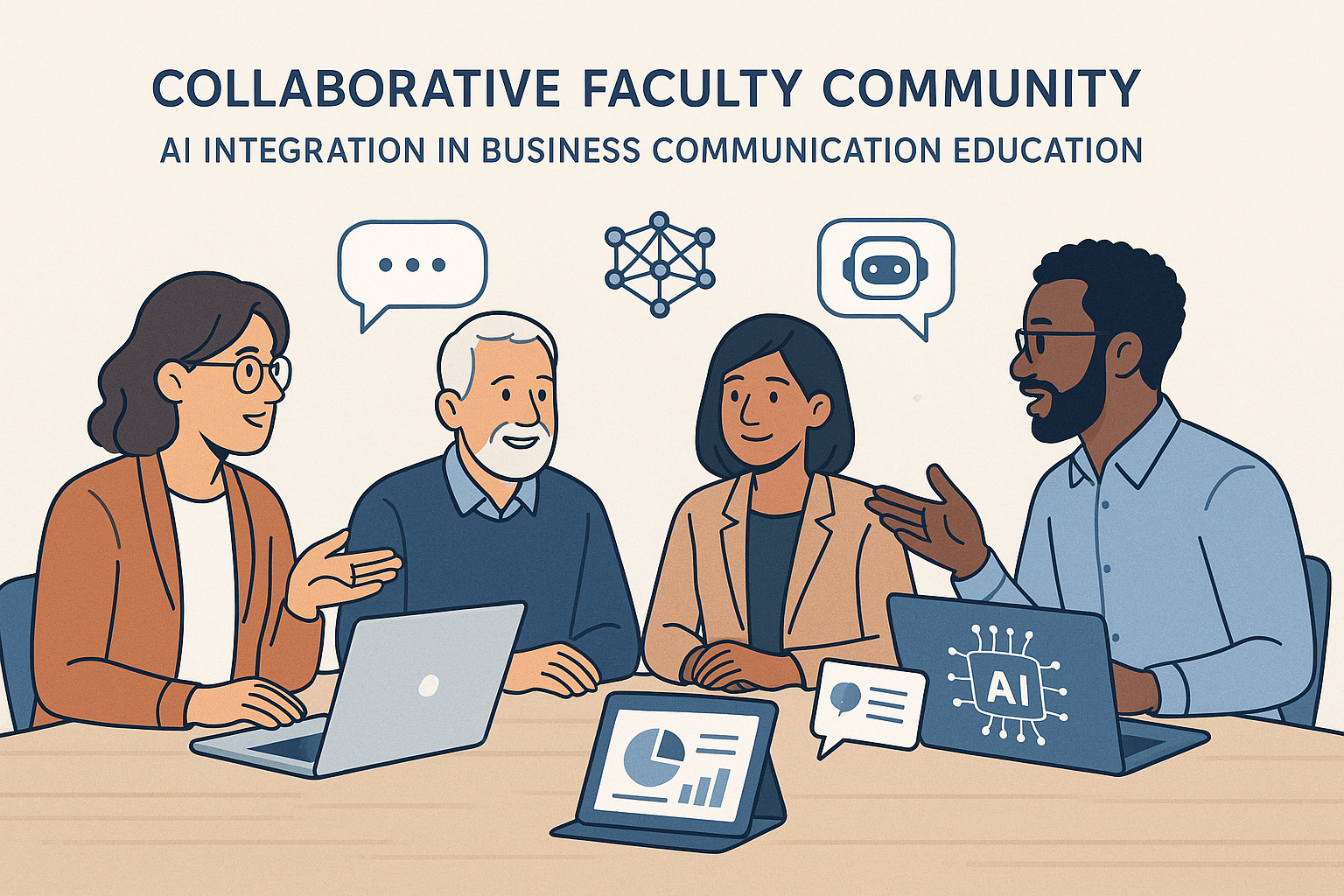
Figure 2. A supportive environment for AI experimentation empowers faculty to innovate and collaborate in business communication education.