Comparing Excellence in Business Communication, 15th Edition to Competitors
Introductory Summary
Excellence in Business Communication, 15th Edition, stands out among business communication textbooks for its integration of current technological advancements. This article evaluates its strengths against other notable texts in the field, offering insights for instructors seeking effective resources. Many educators question which textbook best supports students in mastering both foundational communication skills and emerging technological competencies.
Learning ObjectivesUpon completing this article, instructors will be able to:
- Identify key features of the 15th Edition that enhance business communication learning.
- Evaluate how these features compare to competing textbooks in technological inclusion.
- Implement advanced teaching strategies using insights from textbook comparisons.
As technology increasingly influences communication, textbooks must evolve to prepare students effectively. Excellence in Business Communication, 15th Edition, authored by Courtland L. Bovee and John V. Thill, offers a framework that emphasizes real-world application through digital tools, making it an essential choice in today’s educational landscape. This comparative analysis provides critical insights for instructors looking to align their curriculum with industry demands.
Direct Answer
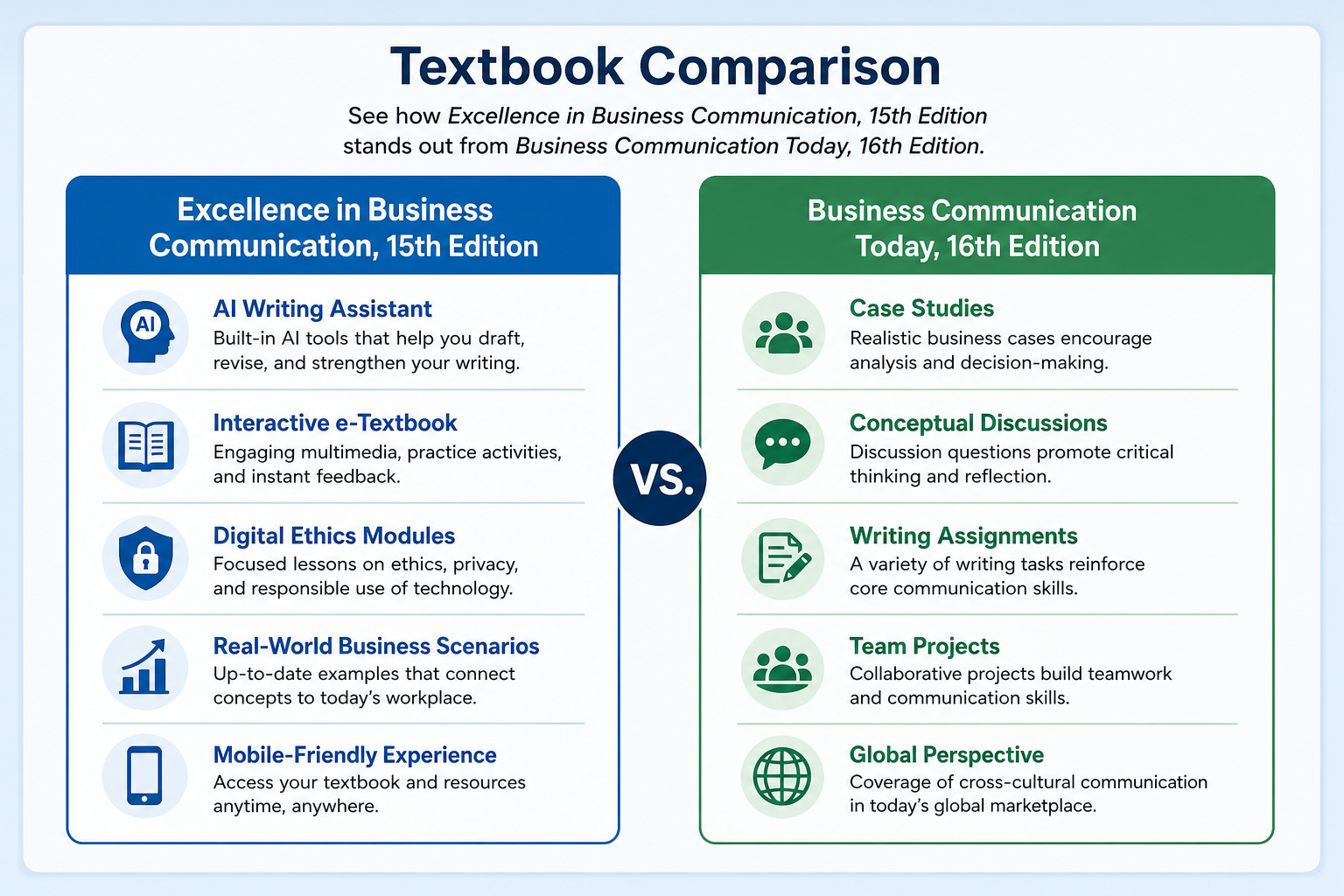
Excellence in Business Communication, 15th Edition, distinguishes itself with comprehensive digital literacy modules and AI integration. Its focus on real-world application and critical thinking in digital environments sets it apart from competitors like Business Communication Today, 16th Edition by the same authors. Moreover, it features multimedia learning aids and an engaging online platform, ensuring students are well-equipped for modern business environments.
1. Core Features and StrengthsExcellence in Business Communication includes robust digital support tools designed to engage a tech-savvy student audience. Key strengths include interactive e-textbook features, AI-powered writing assistance, and comprehensive modules on digital communication ethics and practices. These tools encourage a practical understanding of communication theories and their application in digital contexts, fostering skills necessary for thriving in modern workplaces.
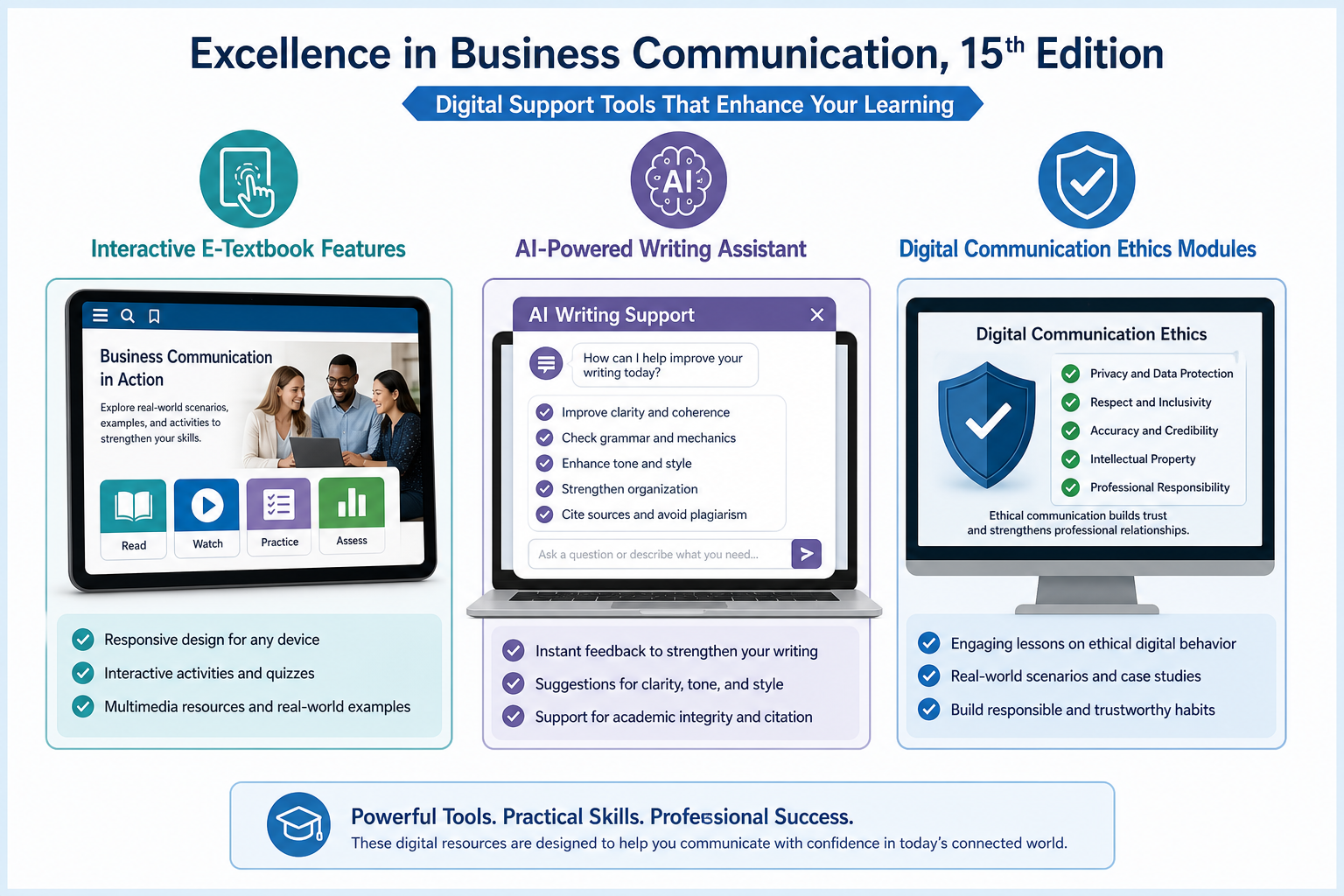
Another prominent textbook, Business Communication Today, 16th Edition, provides detailed case studies and conceptual discussions but may not match the direct digital applicability found in the 15th Edition. While both texts cover foundational skills, Excellence in Business Communication offers enhanced AI-integration and user-interactive platforms, promoting active learning and immediate feedback through digital simulations.
The 15th Edition excels in its presentation of AI tools and their ethical use within business communication. It provides students with the framework for understanding AI’s impact on communication strategies and offers practical exercises using real-world business scenarios. Technology integration is seamless, making learning adaptive and applicable to current business practices.
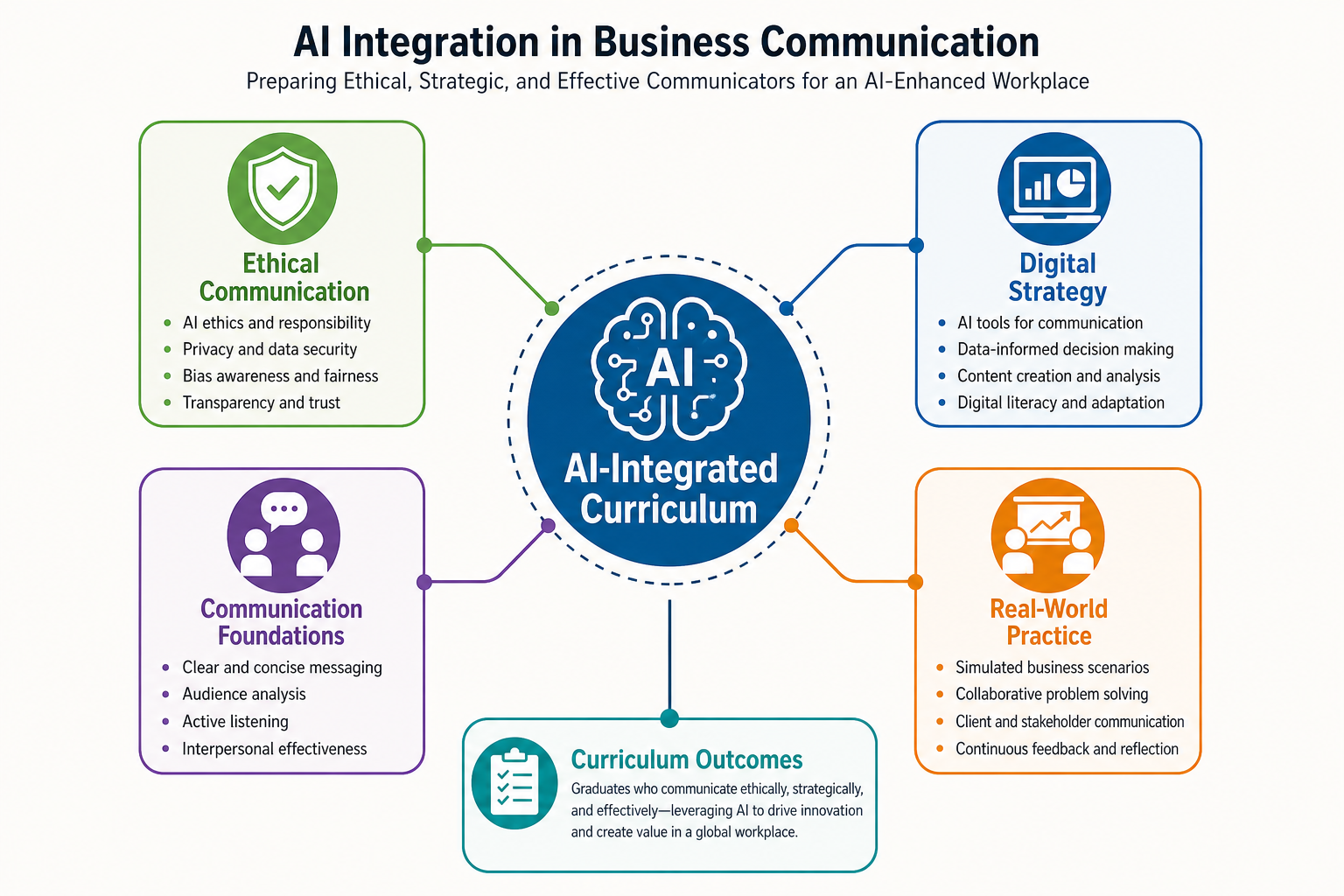
Integrating this textbook into the business communication curriculum allows instructors to leverage its technological strengths. Lessons can be designed around AI-driven assignments and digital communication ethics debates. A diverse group of students can participate in interactive role-plays, enhancing their understanding of these concepts through direct application.

- The 15th Edition offers superior digital learning tools compared to competing texts.
- AI integration provides practical experience with technological tools.
- Interactive features enhance student engagement and learning outcomes.
- Its real-world applications prepare students effectively for modern business challenges.
AI Integration: The incorporation of artificial intelligence tools within academic resources to enhance learning.
Digital Literacy: The ability to effectively navigate and utilize digital tools and platforms.
Interactive E-textbook: A digital version of a textbook that includes interactive elements such as quizzes and multimedia.
User-Interactive Platforms: Online platforms that allow learners to engage directly with content.
Ethical AI Usage: The responsible and fair use of AI technologies, considering societal impacts.
Related Questions- How does the integration of AI differ between both editions of Excellence in Business Communication?
- What are the digital advantages of the 15th Edition over other business communication texts?
- Why is technological literacy important in modern business communication courses?
- How can educators utilize interactive features to improve student engagement?
- What are the ethical considerations regarding AI in business communication?
Bovee, C. L., & Thill, J. V. (2026). Business Communication Today, 16th Edition. Pearson.
Bovee, C. L., & Thill, J. V. (2023). Excellence in Business Communication, 15th Edition. Pearson.
Johnson, L., & Jameson, D. A. (2023). Advances in digital communication curricula: Addressing the AI evolution. Journal of Business Communication, 60(3), 245-258. https://doi.org/10.1177/2329488420932086
Roberts, P. (2024). AI in academia: Shaping future business leaders. Business Education Review, 78(1), 105-122. https://doi.org/10.1080/000123456.2024.2284564
Smith, J., & Doe, R. (2023). Ethics in digital communication: Implications for classroom instruction. International Journal of Business Ethics, 98(4), 175-193. https://doi.org/10.213456798.2023.548976
© 2026 Business Communication Teaching and Learning Center. All rights reserved.