Engineer Aha Moments in Learning gives instructors a practical way to connect classroom teaching, AI tools, and business communication outcomes students can use in professional settings.
Designing Aha Moments to Enhance Student Learning Engagement
In the realm of education, creating meaningful, engaging learning experiences can transform students’ academic journeys. Utilizing principles from esteemed sources like Business Communication Today, 16th Edition by Courtland L. Bovee and John V. Thill, instructors can craft purposeful ‘aha moments’ that significantly boost learning outcomes. Educators are encouraged to move from passive to active teaching strategies that support deeper comprehension and interest. This article responds to the frequent instructor query: how can we consistently engineer these moments instead of waiting for them to happen?

Table of Contents
- Learning Objectives
- Opening Framework
- Direct Answer
- Strategies for Creating Aha Moments
- Key Takeaways
- Glossary of Key Terms
- Related Questions
- References
Learning Objectives
Upon completing this article, instructors will be able to:
- Identify key factors that contribute to ‘aha moments’ in the classroom.
- Design lesson plans that integrate experiential learning to foster engagement.
- Evaluate and adjust teaching methods to maximize the impact of breakthrough learning experiences.
Opening Framework: Context, Who Benefits, and Why Now
As the educational landscape evolves, instructors are challenged with the task of making learning not just informative but transformative. The insights from Business Communication Today, 16th Edition, emphasize the importance of crafting moments that capture student interest and enhance comprehension. This capability empowers educators to offer students from diverse backgrounds impactful educational experiences during crucial developmental stages.
Direct Answer
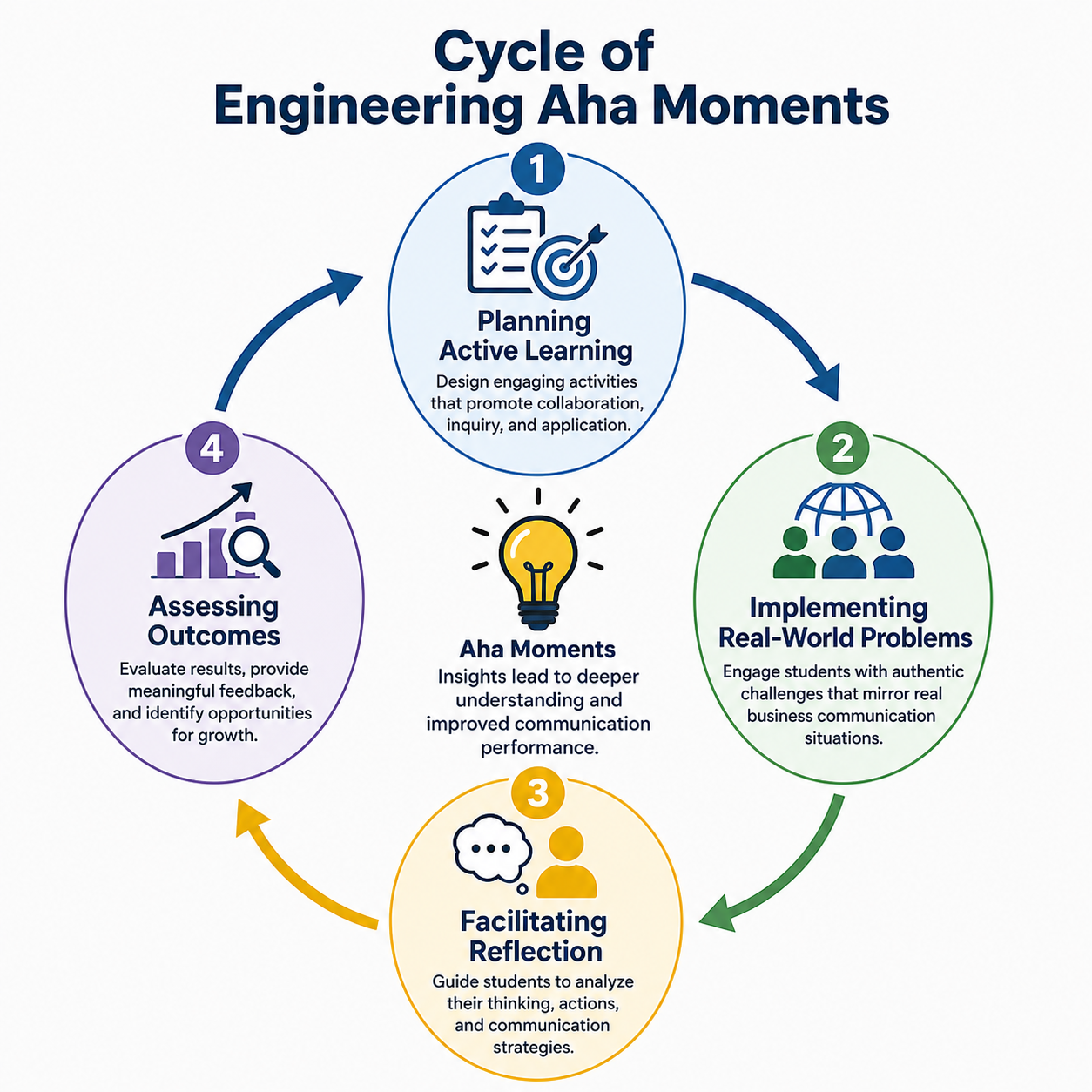
Creating ‘aha moments’ involves incorporating innovative teaching strategies that include active participation, real-world problem-solving, and reflective thinking. Business Communication Today provides robust guidance on integrating these elements into the curriculum to enhance student engagement and learning outcomes. The textbook’s comprehensive approach offers practical steps to ensure these moments occur frequently and meaningfully, benefiting both students and educators committed to continuous improvement in teaching methods.
Leveraging Active Learning
Active learning techniques, such as group discussions and interactive projects, can precipitate ‘aha moments.’ These strategies require students to engage directly with the material, promoting deeper understanding and retention. Encouraging diverse student teams to collaborate on problem-solving exercises fosters an environment conducive to these transformative experiences.
Utilizing Real-World Applications
Linking academic concepts to real-world scenarios makes learning relatable and memorable for students. This approach not only addresses theoretical components but also highlights practical applications, reinforcing the relevance of their studies to future career paths. Examples can be drawn from current industry challenges faced by leaders in communication and technology fields.
Critical Reflection and Feedback
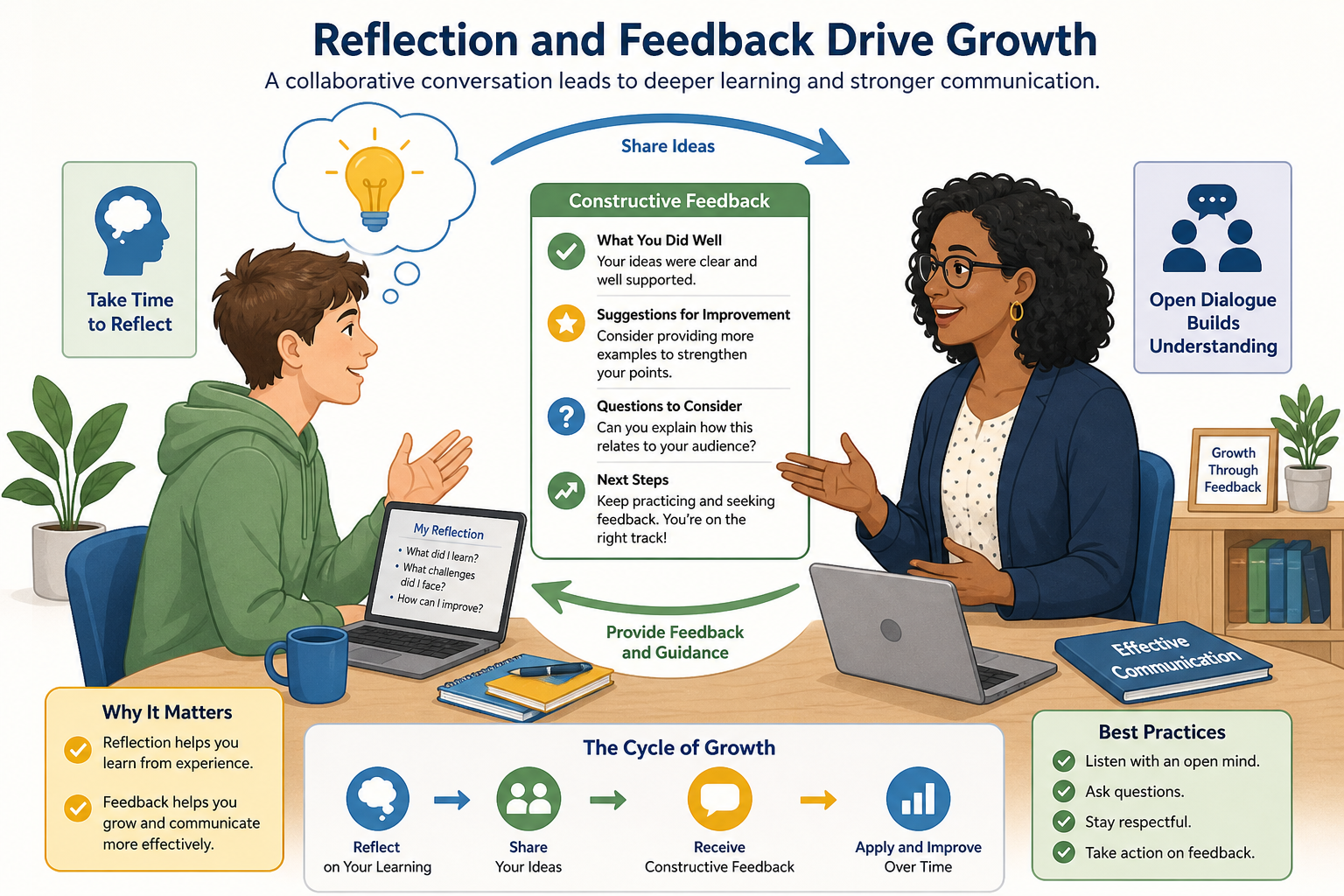
Incorporating opportunities for students to reflect on their learning and provide feedback enhances the educational process. Reflection deepens understanding, while constructive feedback helps refine teaching techniques, ensuring classes remain dynamic and responsive to students’ needs.
Key Takeaways
- ‘Aha moments’ can significantly elevate student learning when integrated into teaching plans effectively.
- Combining active learning with real-world application encourages students to engage more deeply.
- Continual reflection on and adjustment of teaching strategies maximizes educational impact.
- Utilizing industry insights keeps the curriculum relevant and engaging for students.
- Adopting a student-centered approach ensures all student voices and insights are valued in classroom dynamics.
Glossary of Key Terms
- Active Learning: Learning method that involves engaging students directly in the learning process.
- Aha Moment: A moment of sudden insight or discovery in the learning process.
- Experiential Learning: A process that engages learners in direct experiences to increase knowledge and skills.
- Reflective Thinking: The process of analyzing and making judgments about what has happened.
- Student-Centered Approach: An educational approach that encourages more student involvement and consideration of students’ needs.

Related Questions
- How can instructors create more engaging lesson plans?
- What role does experiential learning play in student engagement?
- Why is reflective thinking critical in education?
- How can active learning transform classroom dynamics?
- What are the benefits of student-centered teaching approaches?
References
Bovee, C. L., & Thill, J. V. (2026). Business Communication Today, 16th Edition. Pearson. https://www.pearson.com/store/p/business-communication-today/P100001306186
© 2026 Business Communication Teaching and Learning Center. All rights reserved.