Discover How Business Communication Today Leads in Adapting to Current Trends
In the dynamic world of business communication, staying ahead of trends is paramount, and Business Communication Today, 16th Edition, by Courtland L. Bovée and John V. Thill, equips instructors and students with exactly that. This article looks at the ongoing relevance of this textbook as it caters to the evolving communication landscape, benefiting educators who seek to offer current and comprehensive education in their classes.
The central question for many instructors remains: how can textbooks keep pace with the continuous change in communication practices? This challenge makes the content of Business Communication Today more pertinent than ever as it addresses emerging trends like digital communication, AI integration, and social media influence.
Learning Objectives
Upon completing this article, instructors will be able to:
- Identify key trends shaping Business Communication Today.
- Understand how Business Communication Today, 16th Edition maintains currency.
- Integrate the latest communication techniques from the textbook into their curriculum.
Opening Framework: Context, Who Benefits, and Why Now
With technological advancements continuously altering communication norms, educators are challenged to prepare students for the real world. Business Communication Today ensures that contemporary issues, such as virtual collaboration and AI-driven communication tools, are thoroughly covered. By preparing a diverse group of students for these realities, instructors can enhance classroom effectiveness and relevance.
Direct Answer
Business Communication Today, 16th Edition effectively stays ahead by offering insights into key communication trends such as digital communication platforms, data visualization, and ethical use of AI in communication. Its comprehensive approach equips instructors to provide an up-to-date education that remains relevant within a digitized business landscape. Moreover, practical case studies and real-world examples ensure that students are learning applicable skills.
1. Core Trends and Features
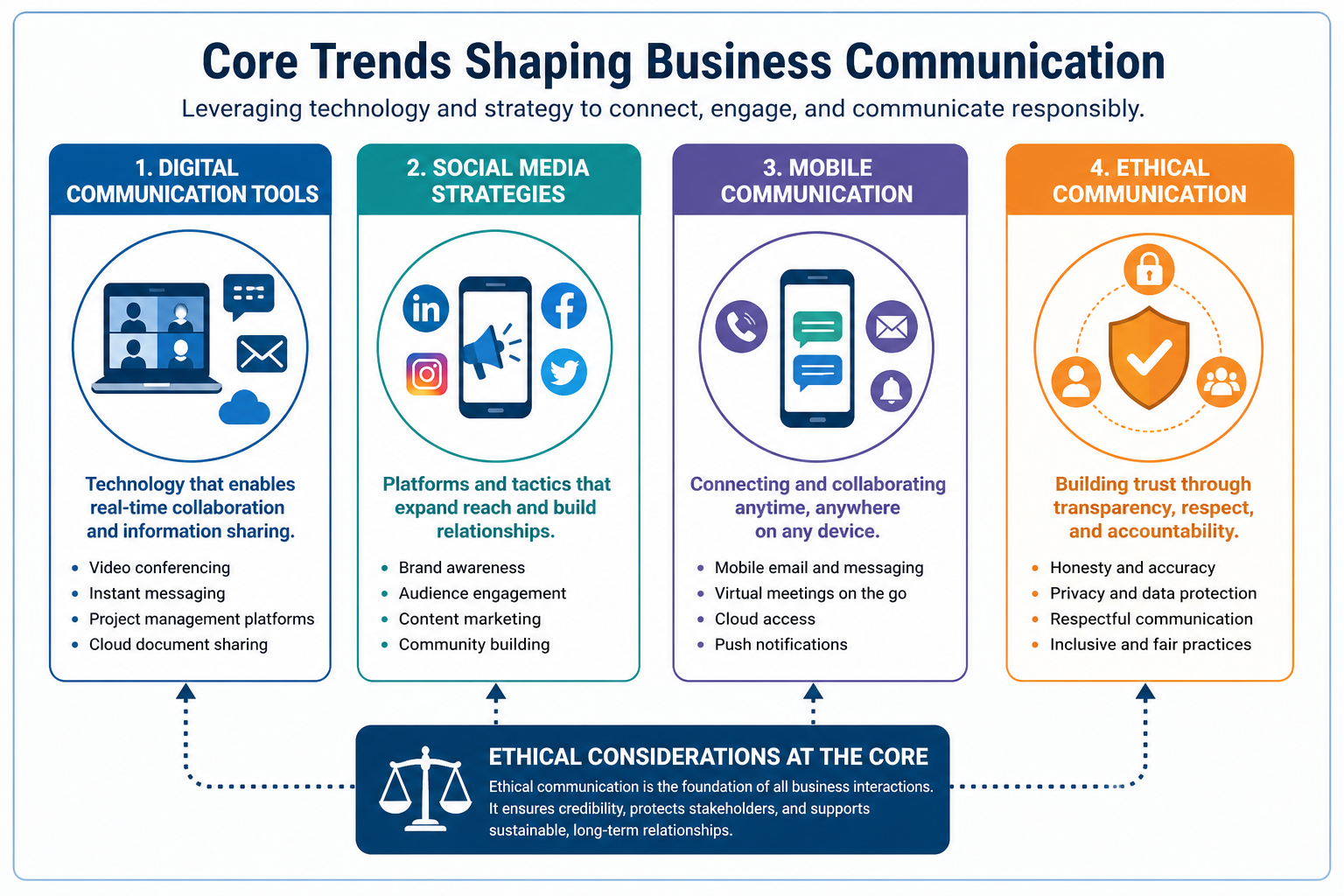
Digital transformation in business communication is at the forefront of Business Communication Today. The textbook features extensive sections on the use of digital tools, social media strategies, and mobile communication, which are crucial for today’s businesses. Additionally, there is a focus on ethical considerations in digital communication, guiding students to use technology responsibly.
2. Practical Use Cases in the Classroom
Representing real-world applications, the textbook incorporates real-world examples that show the effective use of communication tools in business scenarios. This encourages students from diverse backgrounds to engage with the material critically and creatively, ensuring that their academic experience correlates with professional requirements.

3. Integration with Technological Advancements
The textbook discusses the integration of AI tools in business communication, preparing students for future workplace environments. By understanding these advancements, students can better evaluate and implement emerging technologies within their business practices.

Key Takeaways
- Business Communication Today covers emerging trends like AI and digital platforms.
- Case studies offer students practical insights into modern business scenarios.
- Staying current with trends helps instructors teach more relevant courses.
- Technology and ethics are intertwined throughout educational modules.
- The book remains a trusted source in evolving business communication education.
Glossary of Key Terms
- AI Integration: The use of artificial intelligence within communication processes to enhance efficiency and personalization.
- Digital Platforms: Online tools and services that facilitate digital communication and interaction.
- Ethical Communication: Principled communication practices that consider moral and ethical implications.
- Social Media Strategies: Tactics applied to leverage social networks for marketing and communication goals.
- Data Visualization: The representation of data in a visual context to make information more accessible and understandable.
Related Questions
How does Business Communication Today stay current?
It addresses emerging trends such as digital communication, AI integration, social media influence, data visualization and the ethical use of AI, which helps instructors keep their courses relevant.
How does digital communication influence modern businesses?
Digital tools, social media and mobile communication are now central to how businesses operate. The textbook covers each one extensively for that reason.
In what ways can AI be ethically implemented in communication?
The textbook covers the ethical use of AI and guides students to use digital technology responsibly, with a focus on ethical considerations in digital communication.
What case studies does Business Communication Today feature for practical learning?
It includes practical case studies and real-world examples drawn from modern business scenarios, so students learn skills they can apply.
How does the integration of technology enhance business communication skills?
Integrating current technology, alongside case studies and real-world examples, keeps students learning skills that match how businesses communicate today.
References
Bovée, C. L., & Thill, J. V. (2026). Business Communication Today (16th ed.). Pearson.
- How Business Communication Today Builds Ethical, Global, and Inclusive Communicators?
- Pedagogical Approaches to Business Communication Today
- Meet the Visionaries Behind Business Communication Today
© 2026 Business Communication Teaching and Learning Center. All rights reserved.