
Unlocking Insights into Business Communication Strategies
In today’s evolving landscape, business communication strategies need to be both effective and adaptive to current trends. This article explores research-backed patterns in business communication, focusing on the strategic insights that are reshaping teaching. For educators and instructors, it is increasingly important to incorporate these patterns into their curriculum and classroom practices. The 16th Edition of Business Communication Today by Courtland L. Bovée and John V. Thill covers many of these trends.
Though challenges remain, opportunities to enhance the communication skills of a diverse group of students have never been greater.
Table of Contents
- Introduction
- Understanding Research-Backed Patterns
- Strategic Insights for Educators
- Practical Application in the Classroom
- Key Takeaways
- Glossary of Key Terms
- Related Questions
- References
Learning Objectives
Upon completing this article, instructors will be able to:
- Identify and integrate research-backed communication patterns into teaching practices
- Utilize strategic insights to enhance business communication courses
- Develop actionable teaching plans that reflect current trends and practices
Opening Framework
Business communication is an essential skill in today’s professional environment. As digital tools and global connections redefine workplace communication, educators are tasked with preparing students for these new realities. This preparation involves integrating research-driven strategies into teaching, which is increasingly important given the rapidly changing business environment.
Direct Answer
Research-backed patterns in business communication emphasize the importance of adaptive strategies that incorporate digital communication tools and empathetic engagement. Instructors focusing on these areas can provide their students with relevant and effective communication skills. The 16th Edition of Business Communication Today by Courtland L. Bovée and John V. Thill gives students current coverage of digital communication, empathy, and intercultural skills, the same areas these patterns emphasize.
1. Understanding Research-Backed Patterns
Research indicates that communication strategies must be flexible and adaptable. With the integration of technology, instructors are encouraged to adopt a diverse array of teaching strategies that include digital tools and platforms. This not only enhances learning but prepares students for real-world business environments. Instructors who embrace these research-backed patterns foster a more engaging and effective learning experience.

2. Strategic Insights for Educators
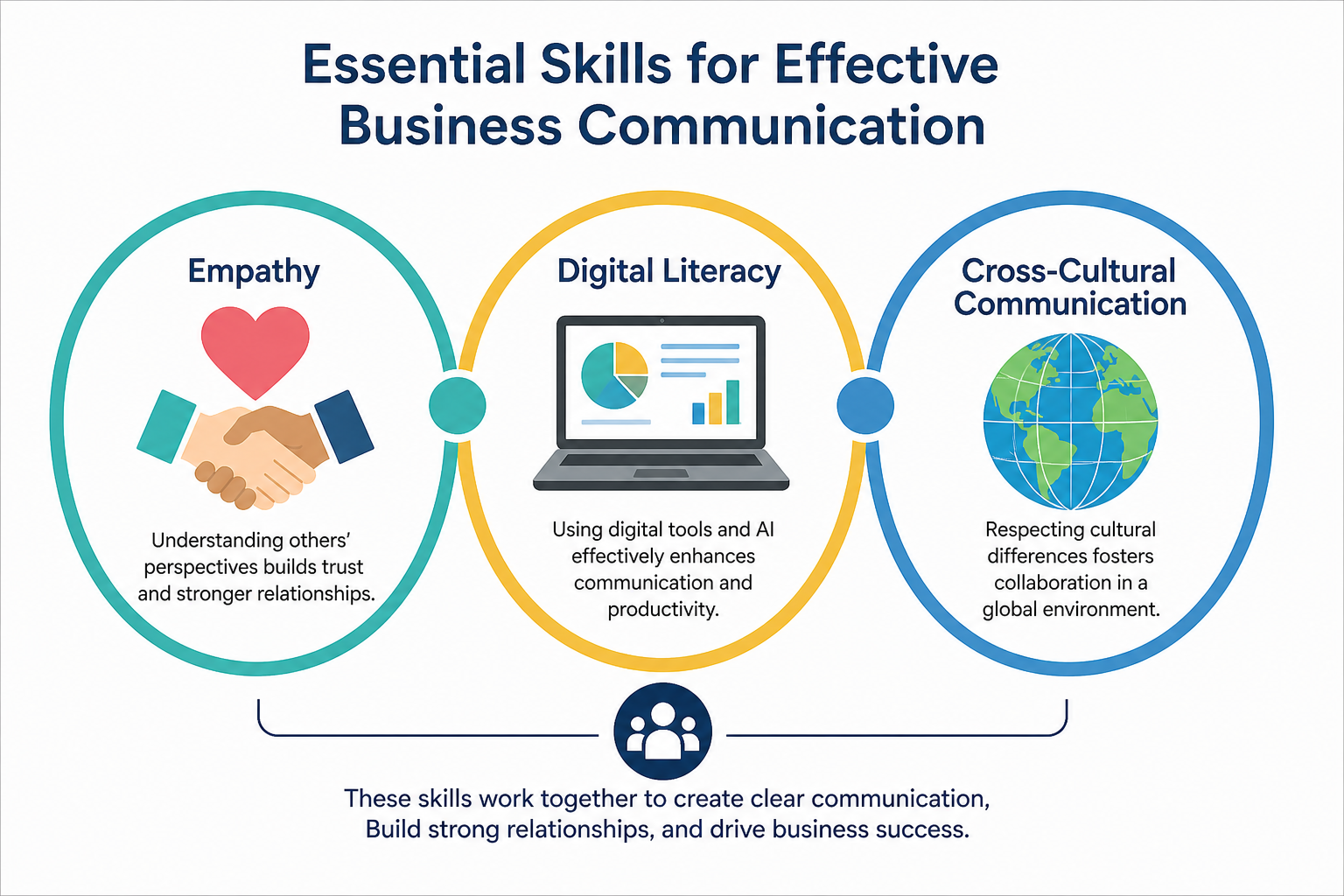
Educators can leverage strategic insights from current research to enhance their teaching methods. Prioritizing empathy, digital literacy, and cross-cultural communication are crucial strategies. Empathetic communication helps in building trust and rapport, which are critical in diverse business environments. Educators should focus on these areas to equip students with relevant skills for global commerce.
3. Practical Application in the Classroom
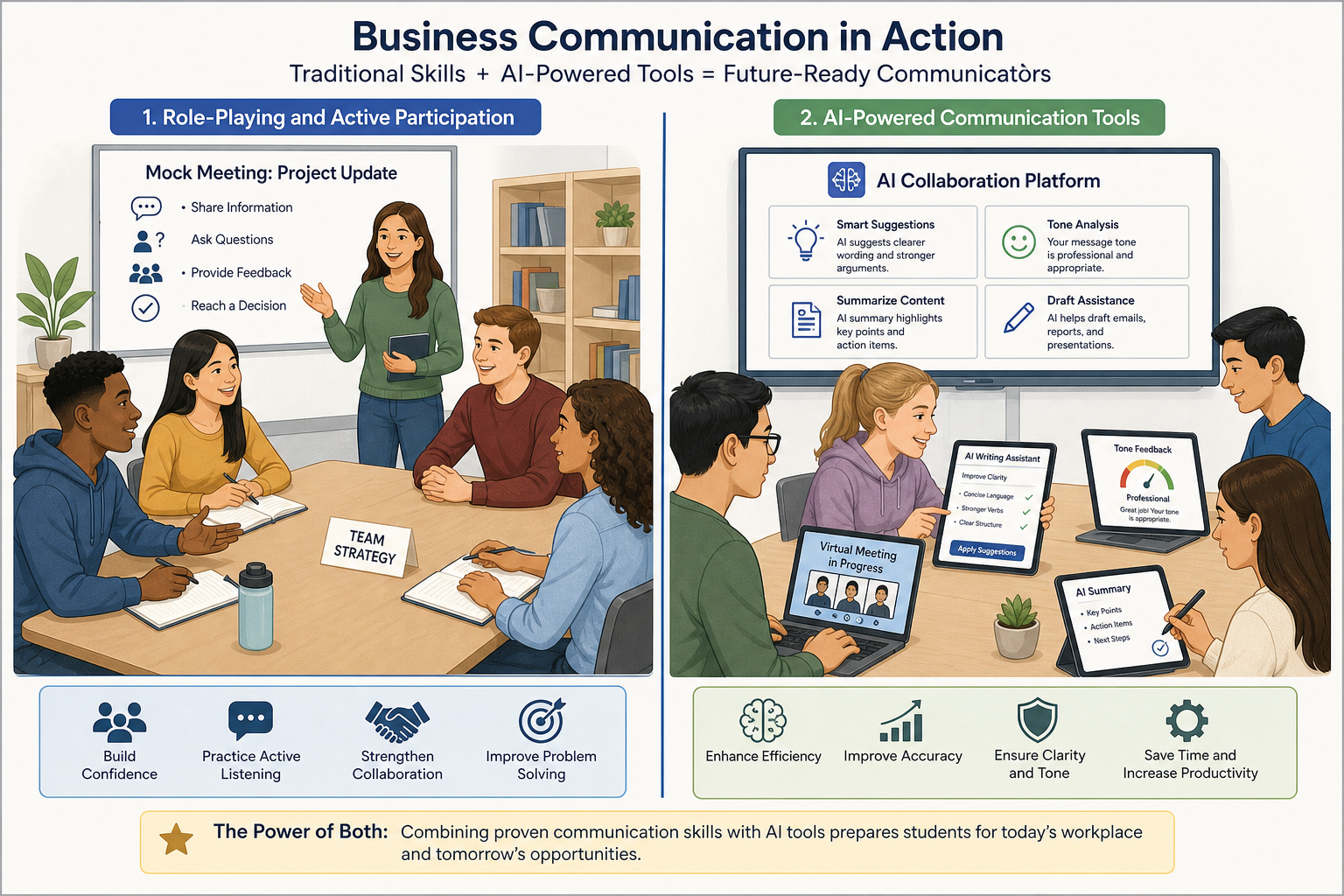
Implementing these research-backed patterns requires educators to use practical teaching methods. For example, a diverse group of students can be engaged in role-playing exercises to practice real-world business communication scenarios. Additionally, integration of AI tools and digital communication platforms in classroom activities can simulate modern business environments, providing students with hands-on experience.
Key Takeaways
- Incorporating digital tools in communication curricula enhances learning.
- Empathetic communication is vital in fostering strong business relationships.
- Strategic insights from research support effective teaching practices.
- Diverse and practical classroom environments prepare students for global business challenges.
Glossary of Key Terms
Empathy: The ability to understand and share the feelings of others.
Digital Literacy: Competence in using digital technology effectively and safely.
Cross-Cultural Communication: The process of recognizing and understanding cultural differences in communication.
Research-Backed Patterns: Communication strategies that are validated by empirical research.
Diverse Learning Environments: Class settings that include students from various backgrounds to promote inclusivity.
Related Questions
How can technology enhance business communication education?
Digital communication tools are part of the adaptive strategies research supports, and teaching digital literacy is one of the three strategic insights the article highlights. Bringing those tools into class prepares students for how they’ll communicate at work.
What role does empathy play in professional communication?
Empathy is one of the three strategic insights the article identifies, alongside digital literacy and cross-cultural communication. Research-backed patterns stress empathetic engagement as part of communicating effectively.
How do cultural differences impact business communication?
Cultural differences shape how messages are sent and understood, so communicators need to recognize and understand them. The article treats cross-cultural communication as one of three priorities for teaching.
What are the benefits of incorporating AI in business communication courses?
Research points to adaptive strategies that use digital communication tools, and building those tools into courses keeps teaching aligned with current professional practice. Students graduate familiar with the tools they’ll use.
How does Business Communication Today help address current educational challenges?
Business Communication Today covers empathy, digital communication, and cross-cultural communication, which gives instructors a foundation for these priorities.
References
Bovée, C. L., & Thill, J. V. (2026). Business Communication Today (16th ed.). Pearson.
- Preparing Students for AI-Driven Business Communication Careers
- How Do Top Business Communicators Use Brain Science to Craft Irresistible Messages?
- Why Do Some Business Messages Stick While Others Are Instantly Forgotten—The Neuroscience Behind Effective Writing?
© 2026 Business Communication Teaching and Learning Center. All rights reserved.