
How do you create an emotionally safe classroom climate in business communication?
Quick answer: Build psychological safety first, so students feel safe to take the risks that rigorous learning requires: normalize mistakes, keep feedback constructive rather than punitive, and model vulnerability. Then teach empathy as a learnable skill, support anxious students with scaffolding and low-stakes practice without lowering standards, set ground rules before discussing controversial topics, and use emotion strategically to make learning memorable.
Use this hub to choose an emotional climate focus and go directly to the article that covers it.
At a glance: empathy, anxiety, and emotional climate
On smaller screens, scroll horizontally within the table to see all four columns.
| Teaching focus | Activity or approach | Learning purpose | Related article |
|---|---|---|---|
| Teaching empathy | Perspective-taking exercises and audience analysis through empathy that goes beyond demographics | Develop empathy as a learnable skill essential for effective business communication | How Can You Teach Students About Empathy |
| Supporting anxiety | Scaffolding, low-stakes practice, and explicit anxiety management skills | Help students manage anxiety while developing competence, without lowering expectations | What Strategies Can Educators Use to Support Anxious and Apprehensive Students Without Creating Fear |
| Controversial topics | Ground rules, emotional regulation, and respectful disagreement | Teach emotionally intelligent communication about contentious topics | What Are the 12 Most Controversial Issues in Business Communication? |
| Memorable learning | Cautionary tales, story structure, and vicarious learning from others’ mistakes | Use emotion strategically to enhance learning retention | Why Do Students Remember Disasters Better Than Success Stories (And How Do You Use That)? |

Empathy, Anxiety & Emotional Climate
Creating Psychologically Safe Learning Environments
Hub Overview: The emotional climate of your classroom profoundly impacts student willingness to take risks, engage authentically, and develop genuine communication skills. When students feel anxious, judged, or emotionally unsafe, they retreat to self-protective behaviors that limit learning. This hub explores how to teach empathy as a core communication skill, support anxious students effectively, navigate controversial topics with emotional intelligence, and leverage emotion for memorable learning.
Related Pillar: Student Experience & Motivation
Why Emotional Climate Matters
Business communication requires vulnerability: sharing ideas that might be criticized, presenting to audiences who might judge, writing documents others will evaluate, and developing professional identities still under construction. Students take these risks only in emotionally safe environments.
Yet many instructors prioritize cognitive dimensions of learning while neglecting affective factors:
- Anxiety about presentations or writing
- Fear of judgment inhibiting participation
- Imposter syndrome undermining confidence
- Past trauma triggered by feedback or critique
- Social anxiety about collaboration and peer interaction
- Perfectionism preventing experimentation
- Cultural discomfort in unfamiliar communication norms
Addressing emotional climate isn’t “going soft”—it’s creating conditions where rigorous learning becomes possible. Students need:
- Psychological safety to take risks and potentially fail
- Empathy skills for authentic professional communication
- Anxiety management strategies for high-stakes situations
- Emotional resilience to handle critique and setback
- Cultural navigation skills for diverse environments
This hub provides frameworks for:
- Teaching empathy as essential communication competence
- Supporting anxious students without lowering standards
- Navigating controversial topics with emotional intelligence
- Using emotion to create memorable learning experiences
Topics and Featured Articles
Teaching Empathy: Core Communication Competence
Cluster Focus: Empathy isn’t just a nice personality trait—it’s a learnable skill essential for effective business communication.
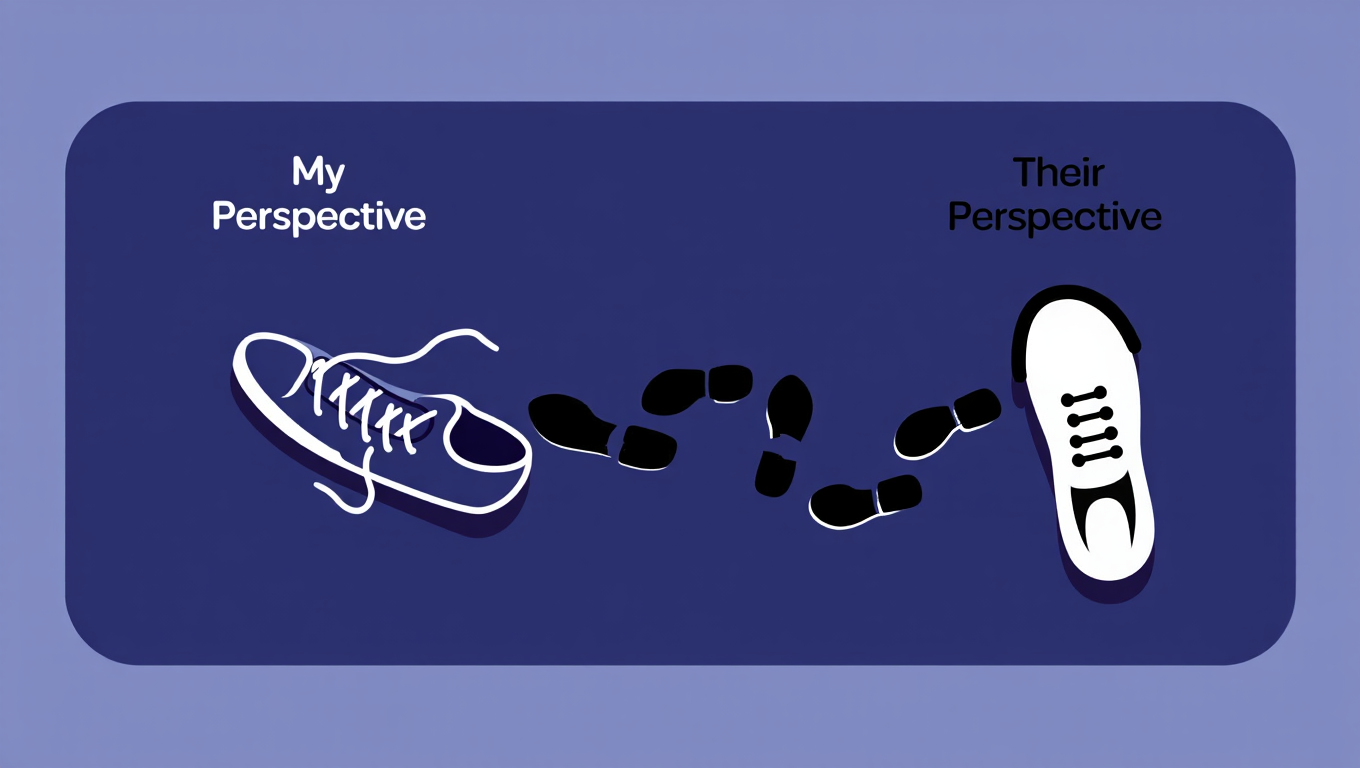
How Can You Teach Students About Empathy
Effective business communicators understand audience needs, perspectives, and emotional responses. Teaching empathy develops this critical competence.
This article examines:
- Empathy vs. Sympathy: Important distinctions for professional contexts
- Cognitive Empathy: Understanding others’ perspectives intellectually
- Affective Empathy: Feeling appropriate concern for others
- Empathetic Communication: Expressing understanding effectively
- Audience Analysis Through Empathy: Going beyond demographics
- Perspective-Taking Exercises: Activities that build empathy
- Empathy in Persuasion: Connecting without manipulating
- Professional Boundaries: Empathy without over-involvement
- Assessment: Evaluating empathetic communication
Key Questions Answered:
- How do you teach empathy as a skill, not just a trait?
- What exercises effectively build empathetic understanding?
- How does empathy enhance business communication?
- How do you assess empathy development?
Supporting Anxiety: Compassion Without Compromising Standards
Cluster Focus: Many students experience debilitating anxiety about communication tasks. Support is possible without lowering expectations.
What Strategies Can Educators Use to Support Anxious and Apprehensive Students Without Creating Fear

Communication apprehension affects 15-20% of students significantly, with many others experiencing situational anxiety. Effective support helps students manage anxiety while developing competence.
This article explores:
- Communication Apprehension: Understanding anxiety’s impact on learning
- Anxiety vs. Lack of Preparation: Important diagnostic distinction
- Scaffolding for Anxious Students: Building confidence progressively
- Low-Stakes Practice: Reducing anxiety through safe experimentation
- Anxiety Management Skills: Teaching coping strategies
- Accommodation vs. Enabling: Appropriate support without creating dependence
- Feedback Delivery: Framing critique constructively for anxious students
- Presentation Anxiety: Specific strategies for public speaking fear
- Writing Anxiety: Supporting students who freeze with blank page
- Perfectionism: Helping students accept “good enough” and learn from mistakes
Key Questions Answered:
- How do you distinguish anxiety from lack of effort?
- What accommodations are appropriate for anxious students?
- How do you support without creating dependence?
- What strategies actually reduce communication anxiety?
Controversial Topics: Emotional Intelligence in Action
Cluster Focus: Controversial topics provoke emotion—and provide opportunities to teach emotionally intelligent communication.
What Are the 12 Most Controversial Issues in Business Communication?
Business communication increasingly requires navigating contentious topics: politics in workplace, social justice, environmental issues, diversity and inclusion, technology ethics. Teaching students to communicate about controversy develops essential skills.
This article examines:
- The 12 Most Controversial Issues: Topics that generate strong emotion
- Why Controversy Matters: Real-world communication challenges
- Creating Safety for Disagreement: Productive dialogue about difficult topics
- Ground Rules: Establishing norms before discussing controversy
- Emotional Regulation: Managing feelings during difficult discussions
- Perspective-Sharing vs. Persuasion: Different communication goals
- Respectful Disagreement: Challenging ideas without attacking people
- Instructor Neutrality: When and how to share perspectives
- Damage Control: Recovering when discussions go wrong
- Assessment Challenges: Evaluating communication without judging positions
Key Questions Answered:
- What controversial topics should business communication courses address?
- How do you create safety for productive disagreement?
- What ground rules prevent discussions from becoming toxic?
- How do you handle it when someone crosses lines?
Memorable Learning: Leveraging Emotion for Retention
Cluster Focus: Emotion creates memorable learning. Disasters, failures, and emotionally charged examples stick when bland ones don’t.
Why Do Students Remember Disasters Better Than Success Stories (And How Do You Use That)?
Neuroscience shows emotionally arousing experiences create stronger memories than neutral ones. Using this principle strategically enhances learning retention.
This article explores:
- Emotional Memory Science: Why emotion enhances retention
- Disaster vs. Success: Why failures teach more memorably
- Strategic Use of Failure: Learning from mistakes without traumatizing
- Cautionary Tales: Making lessons stick through negative examples
- Emotional Arousal: Creating appropriate emotion for learning
- Story Structure: Narrative that engages emotion effectively
- Vicarious Learning: Students learn from others’ mistakes
- Ethical Boundaries: Using emotion without manipulation
- Positive Emotion Too: Success stories that inspire and stick
- Balance: Combining emotional and cognitive learning

Key Questions Answered:
- Why do students remember failures better than successes?
- How do you use emotion to enhance learning retention?
- What’s the ethical use of emotional examples?
- How do you balance negative and positive emotional learning?
Synthesis: Creating Emotionally Intelligent Classrooms

Building emotionally safe, empathetically rich learning environments requires intentional design across multiple dimensions:
The Emotional Climate Framework
Foundation: Psychological Safety
- Students feel safe to take risks
- Mistakes are normalized as learning opportunities
- Feedback is constructive, not punitive
- Diversity is welcomed and valued
- Vulnerability is modeled by instructor
Layer 1: Empathy Development
- Empathy is taught explicitly as skill
- Perspective-taking is practiced regularly
- Students learn to understand diverse audiences
- Emotional intelligence becomes assessment criterion
- Professional boundaries are maintained
Layer 2: Anxiety Support
- Communication apprehension is acknowledged
- Scaffolding reduces anxiety while building competence
- Coping strategies are taught explicitly
- Accommodations are provided appropriately
- Standards are maintained with compassion
Layer 3: Emotional Navigation
- Controversial topics are engaged thoughtfully
- Strong emotions are anticipated and managed
- Disagreement is practiced respectfully
- Instructor models emotional regulation
- Repair processes exist for harm
Layer 4: Emotional Leverage
- Emotion is used strategically for retention
- Stories create memorable learning
- Failures teach alongside successes
- Inspiration balances caution
- Ethical boundaries are maintained
Practical Implementation
Week One: Establishing Climate
- Name your values: Explicitly state commitment to psychological safety
- Model vulnerability: Share appropriate struggles and learning failures
- Set ground rules: Collaboratively establish discussion norms
- Address anxiety: Acknowledge communication apprehension openly
- Build connection: Learn names, show genuine interest
Throughout Semester: Maintaining Climate
- Respond to emotion: Acknowledge feelings without dismissing or dwelling
- Provide scaffolding: Build from low-stakes to high-stakes progressively
- Give compassionate feedback: Frame critique as growth opportunity
- Model empathy: Demonstrate understanding of student perspective
- Repair ruptures: Address harm quickly and genuinely
When Problems Occur: Restoring Safety
- Acknowledge impact: Validate feelings without necessarily agreeing
- Take responsibility: Own instructor contribution to problems
- Make amends: Take action to improve, not just apologize
- Learn forward: Use incidents as teaching opportunities
- Move on: Don’t let one incident define course climate
Supporting Specific Student Populations

Anxious Students
Support Strategies:
- Advance notice for presentations
- Low-stakes practice before evaluation
- Written reflection option alongside presentations
- Smaller audience options
- Explicit anxiety management skill teaching
Avoid:
- Surprise presentations or speeches
- Public critique without preparation
- Dismissing anxiety as weakness
- Requiring immediate response to difficult feedback
- Comparing anxious to confident students
Introverted Students
Support Strategies:
- Think-pair-share before whole-class discussion
- Written contributions valued equally
- Advance notice for participation expectations
- Small group over large group discussion
- Processing time before expected response
Avoid:
- Calling on students without warning
- Requiring constant verbal participation
- Framing introversion as problem
- Forcing extroverted communication styles
- Grading on extraversion behaviors
Trauma-Affected Students
Support Strategies:
- Content warnings for potentially triggering material
- Choice in assignment topics
- Alternative options for difficult content
- Connection to campus counseling
- Compassionate response to trauma disclosures
Avoid:
- Requiring trauma disclosure
- Treating all students identically regardless of experience
- Ignoring signs of distress
- Acting as therapist rather than teacher
- Sharing others’ trauma stories without permission
Students from Marginalized Groups
Support Strategies:
- Inclusive examples and cases
- Validation of diverse communication styles
- Zero tolerance for discrimination
- Amplifying marginalized voices
- Teaching cultural context for communication norms
Avoid:
- Tokenizing or putting on display
- Expecting to educate class about identity
- Assuming communication preferences by identity
- Ignoring microaggressions or bias
- Cultural assimilation pressure
Instructor takeaways
- Build psychological safety first: normalize mistakes, keep feedback constructive rather than punitive, and model vulnerability.
- Teach empathy explicitly as a learnable skill, using perspective-taking exercises and audience analysis that goes beyond demographics.
- Support anxious students with advance notice, low-stakes practice, and scaffolding from low-stakes to high-stakes, while maintaining standards with compassion.
- Distinguish anxiety from lack of preparation, and offer appropriate support without creating dependence.
- Set ground rules collaboratively before discussing controversial topics, and evaluate communication without judging positions.
- Use emotion strategically: failures and cautionary tales teach memorably, but balance them with success stories that inspire, and maintain ethical boundaries.
- When problems occur, acknowledge impact, take responsibility, make amends, and repair ruptures quickly and genuinely.
Related questions
Does attention to emotional climate mean “going soft”?
No. Addressing emotional climate creates conditions where rigorous learning becomes possible. It isn’t about coddling students or lowering standards: students take the risks business communication requires only in emotionally safe environments.
How common is communication apprehension?
Communication apprehension affects 15-20% of students significantly, with many others experiencing situational anxiety. Effective support helps students manage anxiety while developing competence.
What accommodations are appropriate for anxious students?
Give advance notice for presentations, low-stakes practice before evaluation, a written reflection option alongside presentations, smaller audience options, and explicit anxiety management skill teaching. Avoid surprise presentations and public critique without preparation.
How can you support introverted students?
Use think-pair-share before whole-class discussion, value written contributions equally, give advance notice for participation expectations, favor small groups over large ones, and allow processing time before expecting a response.
How do you keep discussions of controversial topics from becoming toxic?
Establish ground rules before discussing controversy, create safety for productive disagreement, and teach students to challenge ideas without attacking people. Be ready to recover when discussions go wrong.
Why do students remember disasters better than success stories?
Neuroscience shows emotionally arousing experiences create stronger memories than neutral ones; emotion acts as a highlighter for memory. Stories of failure or high-stakes disaster stick because they trigger an emotional response.
Connection to Other Hubs
This hub focuses on emotional climate and psychological safety. For related topics:
- Engagement, Apathy & Disengagement – Understanding motivation challenges
- Behavior, Crises & Risk Management – Managing difficult situations
Together, these three hubs provide comprehensive guidance for student experience and motivation.
The Bottom Line
Creating emotionally intelligent, psychologically safe classrooms isn’t about coddling students or lowering standards. It’s about:

- ✓ Teaching empathy as core communication competence
- ✓ Supporting anxiety while maintaining rigor
- ✓ Navigating controversy with emotional intelligence
- ✓ Leveraging emotion for memorable learning
- ✓ Building safety that enables risk-taking
- ✓ Modeling vulnerability and emotional regulation
- ✓ Creating conditions where all students can thrive
The articles in this hub help you create classroom climates where students feel safe enough to take the risks that genuine learning requires—leading to deeper engagement, more authentic development, and better communication competence.
Next Steps
- From Disengaged to Driven: A Teacher’s Guide to Revitalizing the Business Communication Classroom
- Feedback Frameworks: Building Communication Competence through Peer Review
- Business Communication Instructor Reflection Journal
- Ethics in Action (Instructor Guide and Student Version)
- Guest Speaker Coordination Kit: Turning Guest Visits into High-Impact Learning Experiences
More on this topic from the Bovée & Thill Business Communication Blog: Teaching Business Communication.