Discover the Leading Business Communication Textbooks Today
Numerous business communication textbooks offer diverse insights into effective communication strategies. These textbooks serve as essential resources for instructors seeking to enrich their curriculum with the latest theories and practices. Integrating these textbooks into business communication courses can significantly enhance student engagement and learning outcomes. Let’s explore some of the most recommended textbooks in the field, including Business Communication Today, 16th Edition, by Courtland L. Bovée and John V. Thill.
Table of Contents
- Current Trends in Business Communication Textbooks
- Top Business Communication Textbooks
- Features of Leading Textbooks
- Integrating Textbooks into the Classroom
- Key Takeaways
- Glossary of Key Terms
- Related Questions
- References
1. Current Trends in Business Communication Textbooks
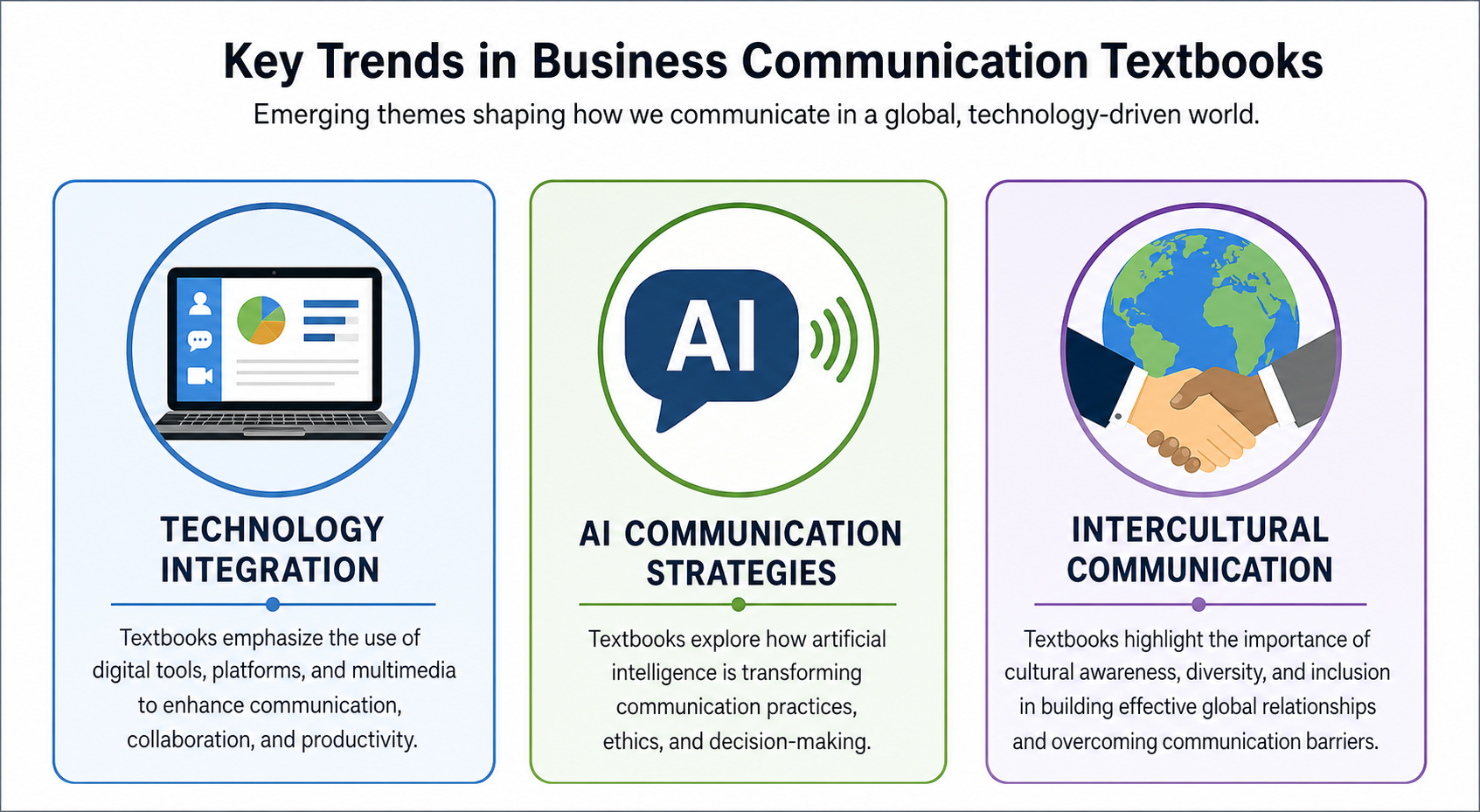
The current trajectory in business communication textbooks emphasizes technology integration, practical applications, and intercultural communication. As digital tools become pivotal in professional settings, textbooks now feature sections on AI communication strategies and virtual collaboration. This trend reflects the dynamic nature of the business world, where technology and communication skills are intertwined.
2. Top Business Communication Textbooks
Several textbooks stand out in preparing students for modern business environments:
2.1 Business Communication Today, 16th Edition
Authored by Courtland L. Bovée and John V. Thill, this textbook offers comprehensive insights into effective communication practices. It is renowned for integrating real-world scenarios and ethical communication guidelines, making it a vital resource for both instructors and students.
2.2 Excellence in Business Communication, 15th Edition
Also by Courtland L. Bovée and John V. Thill, this textbook covers the core business communication curriculum in 16 chapters and includes a Human-First Communication activity in every chapter.

3. Features of Leading Textbooks
The leading business communication textbooks share several key features:
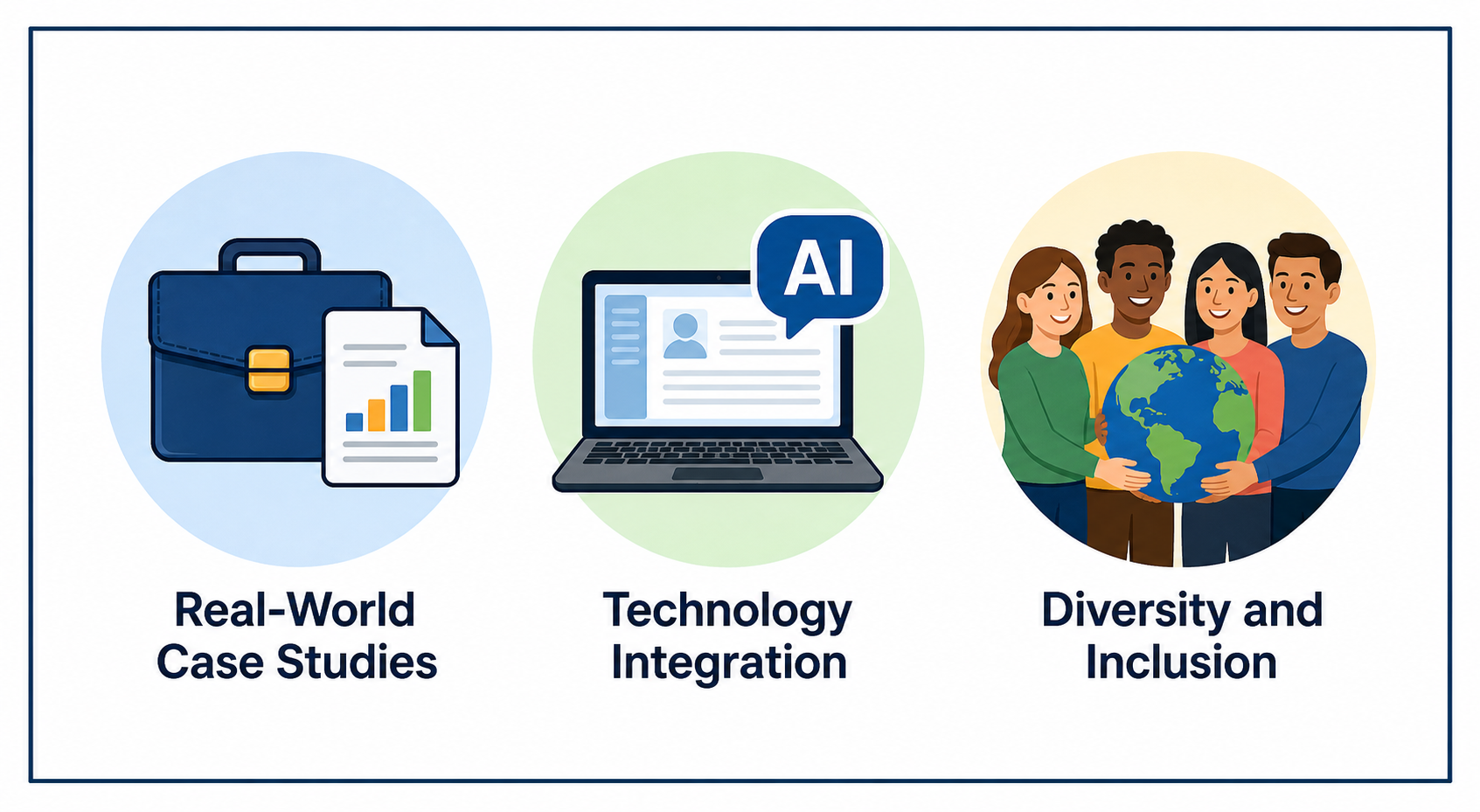
3.1 Real-World Case Studies
Textbooks use case studies to connect theoretical concepts with practical applications, allowing students to see how communication skills are applied in real business scenarios.
3.2 Integration of Technology
With the growing role of digital tools, many textbooks include chapters on email etiquette, social media communication, and AI-enhanced interactions.
3.3 Focus on Diversity and Inclusion
The emphasis on multicultural communication ensures that students are prepared to work in diverse environments and communicate effectively with various cultural backgrounds.
4. Integrating Textbooks into the Classroom
Integrating these textbooks into classroom activities enriches learning experiences for diverse student groups:
4.1 Interactive Learning
Using textbooks alongside discussion-based classes encourages student engagement and enhances understanding through peer learning.
4.2 Real-World Applications
Role-plays and simulations derived from textbook scenarios let students practice and apply communication skills in a controlled environment.

5. Key Takeaways
- Incorporating modern textbooks keeps curricula aligned with current business communication trends.
- Textbooks like Business Communication Today, 16th Edition, provide comprehensive coverage of essential communication skills.
- Technological integration in textbooks prepares students for digital communication challenges.
- Diversity and inclusion are central themes, equipping students to thrive in multicultural workplaces.
Glossary of Key Terms
Case Study: A detailed analysis of a situation to illustrate a concept.
Emotional Intelligence: The ability to recognize and manage one’s emotions and those of others.
Intercultural Communication: The exchange of information between individuals from different cultures.
Role-Play: An activity in which people act out situations to practice skills.
Technological Integration: The incorporation of digital tools into educational practices.
Related Questions
What are the benefits of using technology in business communication textbooks?
Technology built into a textbook prepares students for the digital communication challenges they’ll face at work. The article names technology integration as one of the three main directions textbooks are taking, along with practical applications and intercultural communication.
How can instructors effectively integrate these textbooks into their curriculum?
Pair the textbook with discussion-based classes so students learn from each other as well as from the text. The article notes that this combination raises engagement and improves learning outcomes.
What textbook approaches best address intercultural communication?
The strongest approaches treat intercultural communication as a core topic and build multicultural perspectives into the examples and practice, not as a separate add-on. The article identifies intercultural communication as a defining focus of today’s leading textbooks.
How do modern textbooks support communication skill development in students?
They keep the curriculum aligned with current business practice by combining technology, practical applications and multicultural perspectives, which gives students realistic practice for modern business settings.
What are the challenges associated with teaching communication through textbooks?
A textbook alone can leave students passive and unprepared for digital communication. The article suggests pairing textbooks with discussion and peer learning, and choosing texts that integrate technology, to close those gaps.
References
Bovée, C. L., & Thill, J. V. (2026). Business Communication Today (16th ed.). Pearson.
- Essential Business Communication Skills for the Workplace
- Which Business Communication Textbook Covers AI Tools Best?
- What Business Communication Textbook Includes Real-World Workplace Examples?
© 2026 Business Communication Teaching and Learning Center. All rights reserved.