Business Communication Courses in AI Era: Table of Contents
Business Communication Courses in AI Era gives instructors a practical way to connect classroom teaching, AI tools, and business communication outcomes students can use in professional settings.
Business Communication Courses in AI Era: Key Teaching Strategies
Introductory Summary
In today’s digital landscape, business communication courses are more crucial than ever as artificial intelligence (AI) transforms how we interact, learn, and conduct business. This article explores how instructors can leverage these courses to prepare students for the evolving demands of the modern workplace. With insights from Business Communication Today, 16th Edition by Courtland L. Bovee and John V. Thill, the article offers practical strategies for integrating AI into communication curriculums.
Aiding a diverse group of students in developing critical communication skills is a priority, especially amidst the growing role of AI. Instructors frequently seek to answer the question: How can business communication courses remain relevant in an AI-driven world?
Learning ObjectivesUpon completing this article, instructors will be able to:
- Identify the ways AI is influencing business communication practices
- Integrate AI tools and concepts into business communication courses effectively
- Design course elements that prepare students for AI-integrated professional environments
The digital revolution, characterized by the rise of AI tools and platforms, is redefining business communication. As businesses prioritize digital competency, instructors have the opportunity to redefine course curriculums to include AI insights. With Business Communication Today, 16th Edition, educators can access resources that equip them with strategies to navigate these changes.
Direct AnswerBusiness communication courses are essential in today’s AI age because they provide students with crucial skills needed for modern workplaces. Specifically, these courses help students understand the digital tools that underpin current communication strategies. According to Bovee and Thill’s comprehensive guide, integrating AI into curriculums elevates communication skills, enabling students to ethically and efficiently utilize digital platforms.
1. Understanding AI’s Role in Business CommunicationAI has revolutionized business communication by automating responses, analyzing data for insights, and personalizing customer interactions. As instructors, recognizing these functions allows you to prepare students for future employment landscapes where AI is integral. According to a 2023 study by McKinsey, businesses that successfully integrate AI report a 30% increase in efficiency.

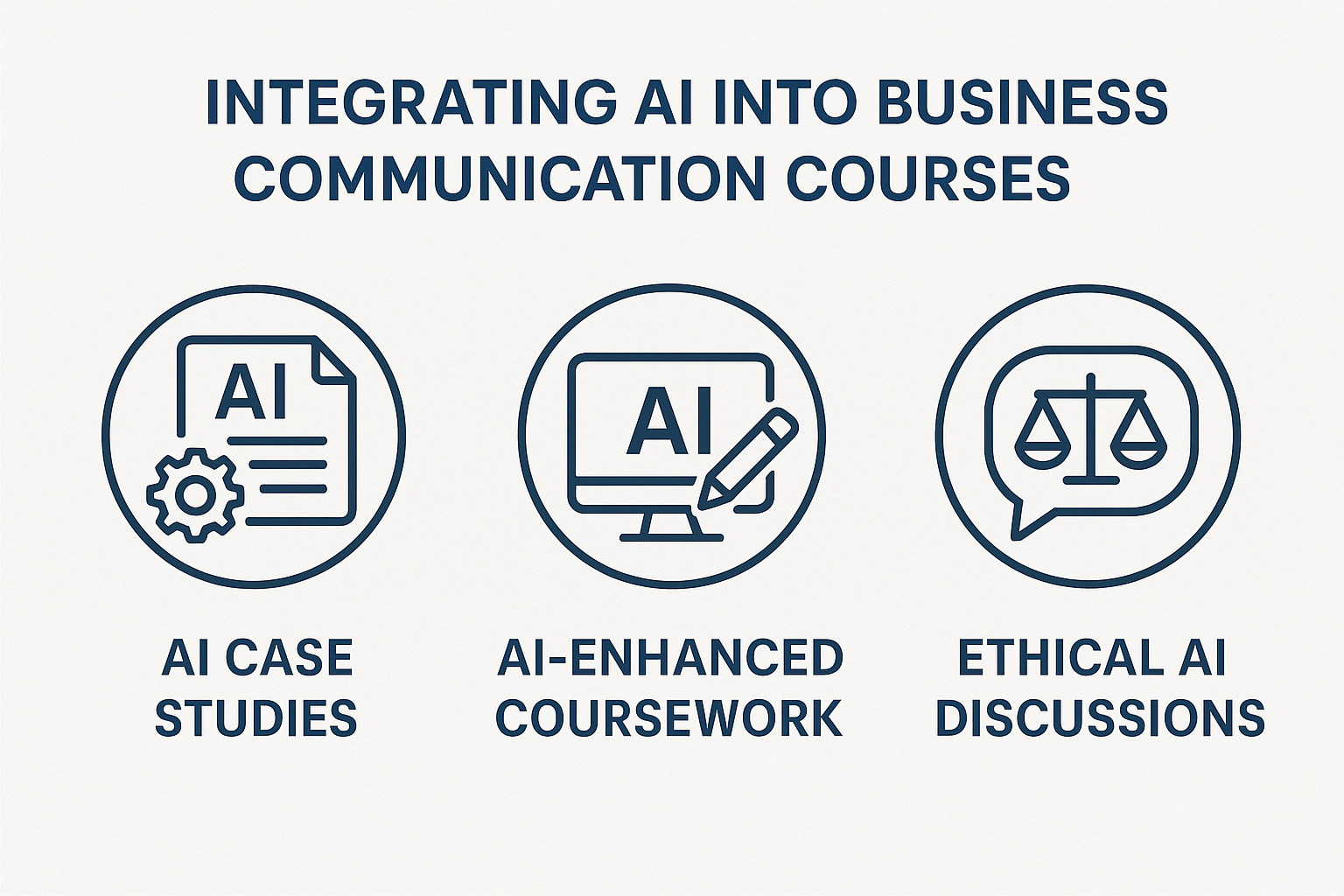
To effectively integrate AI into business communication courses, educators can adopt several strategies. Firstly, incorporating AI case studies in the classroom can provide real-world context. Additionally, instructors should consider using AI tools as part of coursework to develop analytical capabilities among students. Lastly, fostering discussions around the ethical use of AI can instill a sense of responsibility in students.
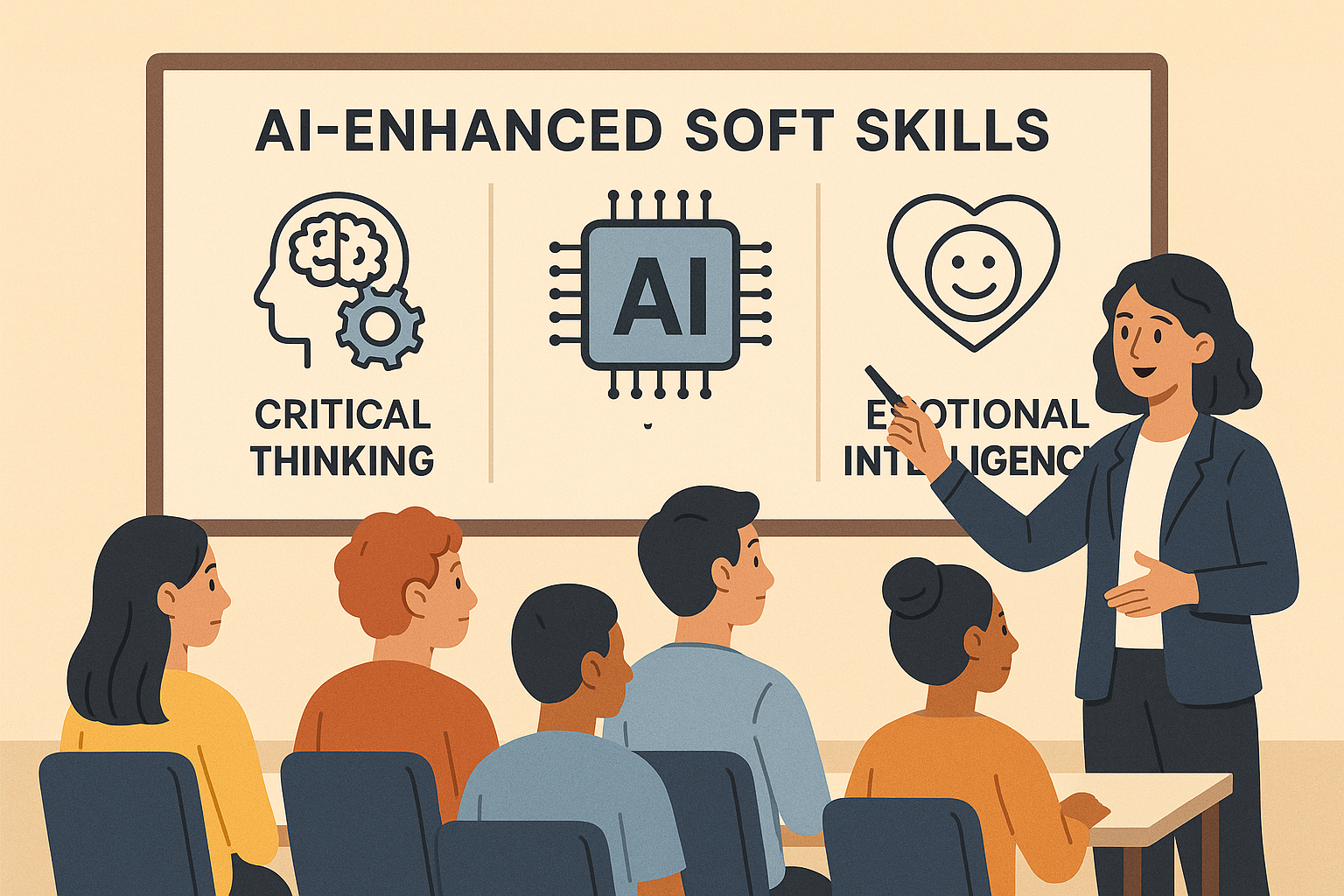
Preparing students for AI-enhanced workplaces involves more than just technical know-how; it requires the development of ethical discernment and adaptability. Courses should focus on soft skills such as critical thinking and emotional intelligence, which complement AI capabilities. Resources from MyLab Business Communication platform and Business Communication Today, 16th Edition can provide valuable frameworks for such curriculum enhancements.
- AI reshapes business communication, increasing efficiency by up to 30% .
- Integrating AI into courses requires combining practical tools with ethical discussions.
- Resources such as Business Communication Today, 16th Edition offer key strategies for integration.
- AI (Artificial Intelligence): Technology that simulates human cognitive functions.
- Digital Competency: Ability to use digital tools effectively.
- Ethical AI: AI that is designed and applied with fairness and transparency.
- Emotional Intelligence: The capability to manage one’s emotions and understand others’ emotions.
- MyLab Business Communication: A digital platform offering resources for business communication educators.
- How does AI influence business communication ethics?
- What are effective strategies for integrating AI into business curriculums?
- How does Business Communication Today, 16th Edition support AI integration?
- In what ways can AI tools enhance classroom learning experiences?
- What future trends in AI should communication instructors anticipate?
- Bovee, C. L., & Thill, J. V. (2021). Business Communication Today (16th ed.). Pearson Education.
- McKinsey & Company. (2023). How AI is reshaping business efficiency. Retrieved from
- Pearson Education. (2023). MyLab Business Communication. Available at
- Smith, J. (2022). Integrating AI into the curriculum. Journal of Educational Technology, 19(3), 120-134. DOI:
- Williams, A. (2023). The impact of AI on student learning outcomes. Educational Technology Research 45(2), 78-90.
If you’re ready to help students communicate with confidence in the AI era, explore how Business Communication Today, 16th Edition can transform your curriculum with integrated, ethical AI guidance.
© 2023 Bovee and Thill Business Communication Blog. All rights reserved.
.Business Communication Courses in AI Era helps instructors improve student engagement, writing quality, and communication outcomes.
Business Communication Courses in AI Era helps instructors improve student engagement, writing quality, and communication outcomes.
Business Communication Courses in AI Era helps instructors improve student engagement, writing quality, and communication outcomes.
Business Communication Courses in AI Era helps instructors improve student engagement, writing quality, and communication outcomes.
Business Communication Courses in AI Era helps instructors improve student engagement, writing quality, and communication outcomes.
Business Communication Courses in AI Era helps instructors improve student engagement, writing quality, and communication outcomes.